

New research suggests that common illness symptoms like fatigue and social withdrawal may actually be part of the body’s integrated defense system, not just side effects.
Many people see symptoms like tiredness, loss of appetite, or wanting to be alone during illness as just annoying side effects. But scientists are now looking at these reactions in a new light, suggesting they might actually help the body fight off infection more effectively.
What if symptoms are part of the plan
For years, doctors and researchers treated symptoms such as fatigue and loss of appetite as issues to manage or reduce when treating infections. But recent work from Zuri Sullivan at the Whitehead Institute offers a different view. Her team published findings in Trends in Immunology, proposing that these behaviors could be part of a larger, coordinated immune response.
Sullivan studies what’s known as “sickness behavior,” which includes changes in appetite, sleep, and social habits during illness. She focuses on how the immune system sends signals to the brain, leading to changes in how we act and feel. This research is raising new questions about how different parts of the body work together to protect us from harm.
Instead of seeing immunity as just a local defense, Sullivan’s research suggests it’s a whole-body program. This program helps us interact with our environment in ways that support survival, like avoiding unsafe foods or resting when we need it most.
“In graduate school, I found that immune cells in the intestine do more than defend against pathogens – they also help regulate how the body responds to food by changing how intestinal tissue functions depending on the diet,” says Zuri Sullivan.
“Putting those two lines of work together – immunology and neuroscience – led me to an integrated view in which immunity operates across scales, shaping both bodily function and behavior as part of a coordinated system,” Sullivan adds.
The brain and immune system talk more than we thought
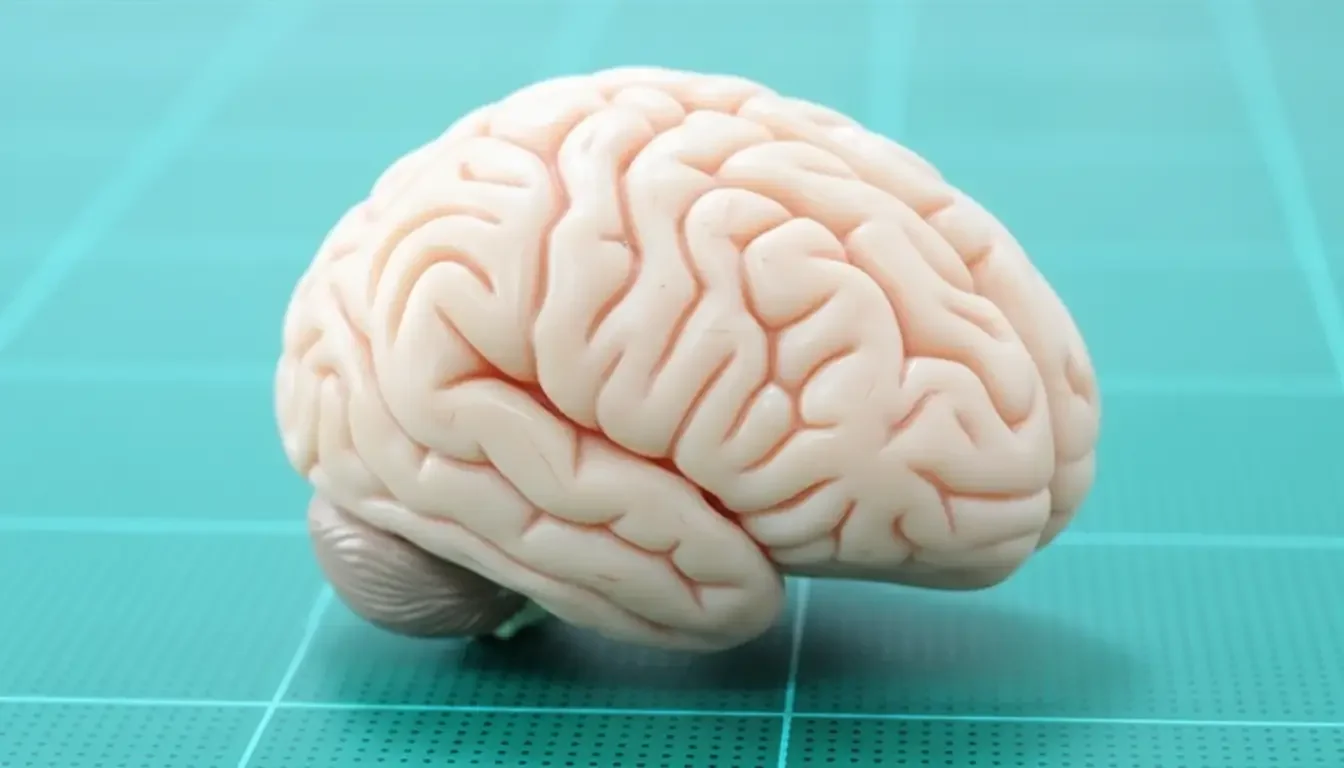
It was once believed the brain and immune system worked separately, with the blood-brain barrier keeping the brain cut off from the rest of the body. But new research shows the brain and immune system are in constant communication. This link is called the brain-immune axis.
According to Sullivan, “The brain–immune axis is one of the ways the body senses and responds to what’s happening in the outside world.” The nervous system relies on our senses, while the immune system uses different molecular sensors to detect threats.
This two-way communication helps coordinate how the body responds to danger. During an infection, it appears as sickness behavior like loss of appetite, tiredness, or the urge to be alone. But this connection matters beyond infections. There are strong links between inflammation and conditions such as long COVID, depression, and anxiety.
When the balance tips in chronic illness
Sullivan points out that in some chronic diseases, the immune response can become unbalanced. This can happen after infections or because of genetics and environmental factors, leading to ongoing inflammation and sometimes tissue damage. She notes that people with inflammatory gut conditions have a higher risk of depression. Understanding how these systems affect each other could help explain why some people develop long-term symptoms after illness.
Treating symptoms isn’t always straightforward
Current medical practice often focuses on treating symptoms, such as lowering fever or providing nutrition even when someone isn’t hungry. But Sullivan suggests it’s important to understand what these behaviors are doing before we try to stop them.
She refers to a 2016 mouse study where force-feeding sick mice had different effects depending on the infection type. Mice with bacterial infections who were force-fed were more likely to die, while those with viral infections did better. This suggests that changes like reduced appetite may be the body’s way of adapting to different threats.
So, instead of treating all symptoms the same way, it may be better to consider which responses actually help recovery and which could slow it down. This approach could also help in treating conditions like long COVID or chronic inflammation, where the immune system plays a key role in how symptoms appear and last.
“I think it can inform treatment in a few ways,” Sullivan says.
Tracking the body’s hidden playbook
Researchers are now working to map out how infections affect the brain over time. These “neural signatures” could help doctors understand what’s happening during and after illness. Animal studies are helping scientists track both immune responses and brain activity, which may lead to better ways to treat complex symptoms.
Since many immune pathways can be targeted by existing medications, understanding how immune signals affect the brain could open up new options for conditions where current treatments don’t work well.
Sullivan believes that this new framework could help us better understand symptoms during and after infections, making it possible to develop more targeted treatments in the future. As research moves forward, the way we think about and treat illness may change, with a greater focus on how the body’s own strategies help fight disease.
Source: News Medical