

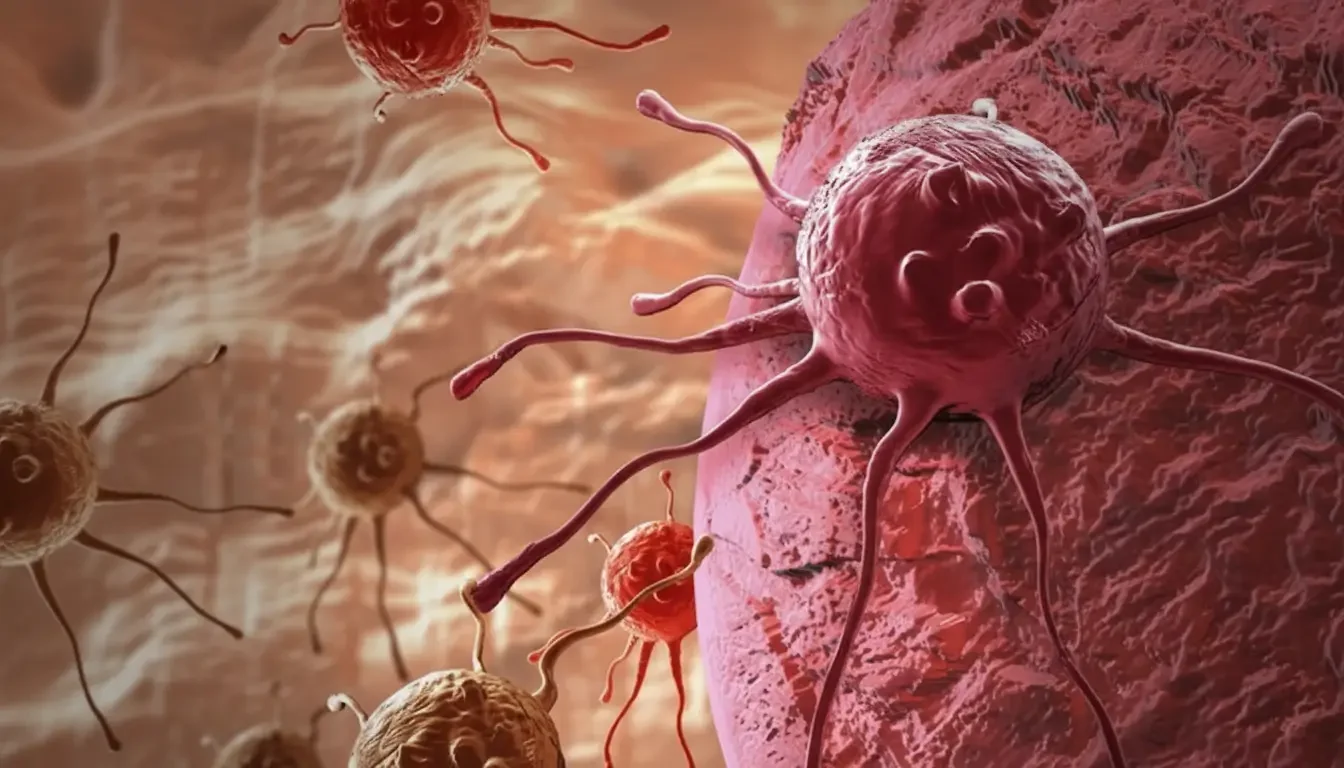
University of Florida researchers have found that sleep deprivation changes gut bacteria, which reduces the effectiveness of chemotherapy and increases cancer growth in mice.
Most people know that getting enough sleep is important, but new research suggests it may play an even bigger role for cancer patients. Scientists have found that poor sleep can trigger a series of changes in the body, starting with shifts in gut bacteria, that make it harder to fight cancer. Here’s what the latest study reveals.
Inside the Gut Where Changes Begin
Lack of sleep is known to weaken the immune system, but researchers at the UF Health Cancer Institute wanted to dig deeper into how this happens, especially for people with cancer. They focused on the gut microbiome, the community of trillions of bacteria and other microbes living in the digestive system.
The gut microbiome is always interacting with the immune system. The team wondered if sleep loss could alter the microbiome in ways that might affect cancer outcomes. Their findings suggest that this is the case.
As Maria Hernandez stated, “Sleep deprivation is very common among patients with cancer, but it’s often overlooked in patient care, and molecular evidence linking it to disease outcomes was lacking.”
What Happens When Mice Lose Sleep
To investigate, the team used mice with sleep patterns similar to those seen in people who don’t get enough rest. Some mice were kept awake regularly to mimic ongoing sleep loss. Researchers then collected stool samples from these sleep-deprived mice and transplanted them into healthy mice whose gut bacteria had been removed.
This method allowed the team to see how gut bacteria from sleep-deprived mice would affect healthy mice. They tracked tumor growth and tested how well 5-FU, a common chemotherapy drug for colorectal cancer, worked. Colorectal cancer is now the leading cause of cancer death among Americans under 50.
The results were clear. Mice that missed out on sleep developed larger tumors more quickly, and chemotherapy did not work as well for them. Researchers also saw fewer immune cells involved in fighting tumors and changes in genes tied to the body’s internal clock.
Even more telling, healthy mice that received gut bacteria from sleep-deprived mice experienced similar problems. This highlights the gut microbiome’s key role in how the body responds to cancer and its treatment.
The Hidden Link Inside the Body
So, what’s going on behind the scenes? Sleep deprivation altered the composition of the microbiota and may also alter the behavior of the bacteria, with functional effects on both cancer progression and cancer therapies. The change in gut bacteria seems to make chemotherapy less effective. The good news is that the gut microbiome can be influenced by lifestyle choices. Simple habits like getting better sleep and eating a balanced diet may help keep your microbiome healthy.
Christian Jobin explained, “We know so much about the microbiome that we need to start taking care of it, treat it with respect. Like your mom used to say, sleep is important, eat well. We understand this holistically, but now we know it may be going through the microbiome. It could be something that’s in tune with your lifestyle.”
This study highlights the importance of maintaining a healthy microbiome by getting good sleep and eating a healthy diet. Our finding is huge because it emphasizes the need to evaluate the patient as a whole and identify how we can better support these systems to improve patient outcomes.” said Maria Hernandez, University of Florida.
Of course, getting good sleep can be challenging for cancer patients, especially during long hospital stays or treatment. Still, understanding the link between sleep and gut health could lead to better ways to support patients during therapy.
What Could Come Next for Cancer Care
The research team is now searching for the exact molecules in the microbiome that are involved in this process. If they can identify them, it may be possible to create treatments that restore balance to the gut, such as targeted probiotics or new medications.
Dr. Jobin’s lab has already made progress in this area by finding a molecule in the microbiome that can improve response to cancer treatment. A similar strategy could be used to address the effects of sleep loss on the microbiome.
The researchers also stress the importance of tracking sleep in cancer patients. Collecting more data could help uncover patterns and solutions for improving treatment outcomes. For now, protecting your sleep remains one of the simplest ways to support your health during treatment.
What Patients Can Do Right Now
This research doesn’t blame patients for sleep problems, but it does show how important sleep is for cancer care. As more is learned about the gut-cancer connection, new solutions may become available, from sleep support during hospital stays to microbiome-focused therapies and AI-based systems that can track sleep and provide optimization suggestions and tools to improve, such as sleep position guidance, meditation and breathing exercises, white noise and soundscapes, self-adjusting lights, etc.
For now, making sleep a priority is one of the best things you can do for your gut and your overall health, especially if you’re facing cancer treatment. A device like Sleepal can help you monitor and improve your sleep without medication. It analyzes your breathing, snoring, sleep position, and sleep environment, provides a sleep score, and suggests simple and easy-to-implement changes. A change in your unwinding routine, sleep position, screen time, and bedroom temperature can work miracles for sleep quality. The best part is that everything happens quietly, from your nightstand, without needing wearables or doctor visits.
Source: News Medical