

Researchers at the University of Zurich have found 10 biomarkers in saliva that can objectively measure acute sleep deprivation, offering new possibilities for detecting fatigue in transportation and high-risk workplaces. Scientists in Switzerland have developed a way to spot acute ...

New research shows that socioeconomic factors like family stress and sleep patterns are closely tied to changes in brain structure and function in children ages 9 to 10. Everyday experiences at home, like stress and sleep habits, can leave lasting ...

College students who walk more each day report better sleep and stronger mental health, while those who stay up late face higher risks, according to new research from Oregon State University. Walking around campus might seem like just part of ...

New research finds that inconsistent bedtimes and sleep durations can reduce young children’s vocabulary and memory skills, even when overall sleep time is sufficient. Many parents work hard to make sure their preschoolers get enough sleep, but new research shows ...

New clinical trial evidence shows that semaglutide, a medication commonly used for diabetes and obesity, slows biological aging in adults with HIV by 9 percent, according to epigenetic clock measurements. Researchers have discovered that a medication regularly prescribed for diabetes ...

Adults who feel older than their real age report poorer sleep quality and more daytime difficulties, according to new research presented at a major sleep conference. Some people wake up feeling older than they really are, and new research suggests ...

New research shows that moderate-to-vigorous activity offers greater benefits for reducing depression and anxiety symptoms in middle-aged adults than light exercise like walking. Many people try to boost their mental health by staying active, but not all types of movement ...

Weill Cornell Medicine launches a major research initiative with a $5 million federal grant to address the lifelong challenges faced by adolescent and young adult cancer survivors, using new mobile technology and community outreach. For many young people, surviving cancer ...

A Japanese study finds that low levels of folate and vitamin B12 are connected to higher physical fatigue in men and reduced motivation in women, based on a key blood biomarker. Many people feel tired from the fast pace of ...

Tropical cities are combining parks, shade, heat alerts, and clear communication to help people enjoy outdoor activities safely as temperatures continue to rise. As temperatures keep rising in cities like Singapore and Bangkok, it’s getting harder for people to stay ...

Researchers at the University of Copenhagen have identified 29 interconnected factors that create self-reinforcing cycles, trapping young adults in patterns of poor sleep and mental health challenges. Sleep problems and mental health struggles are on the rise among people aged ...
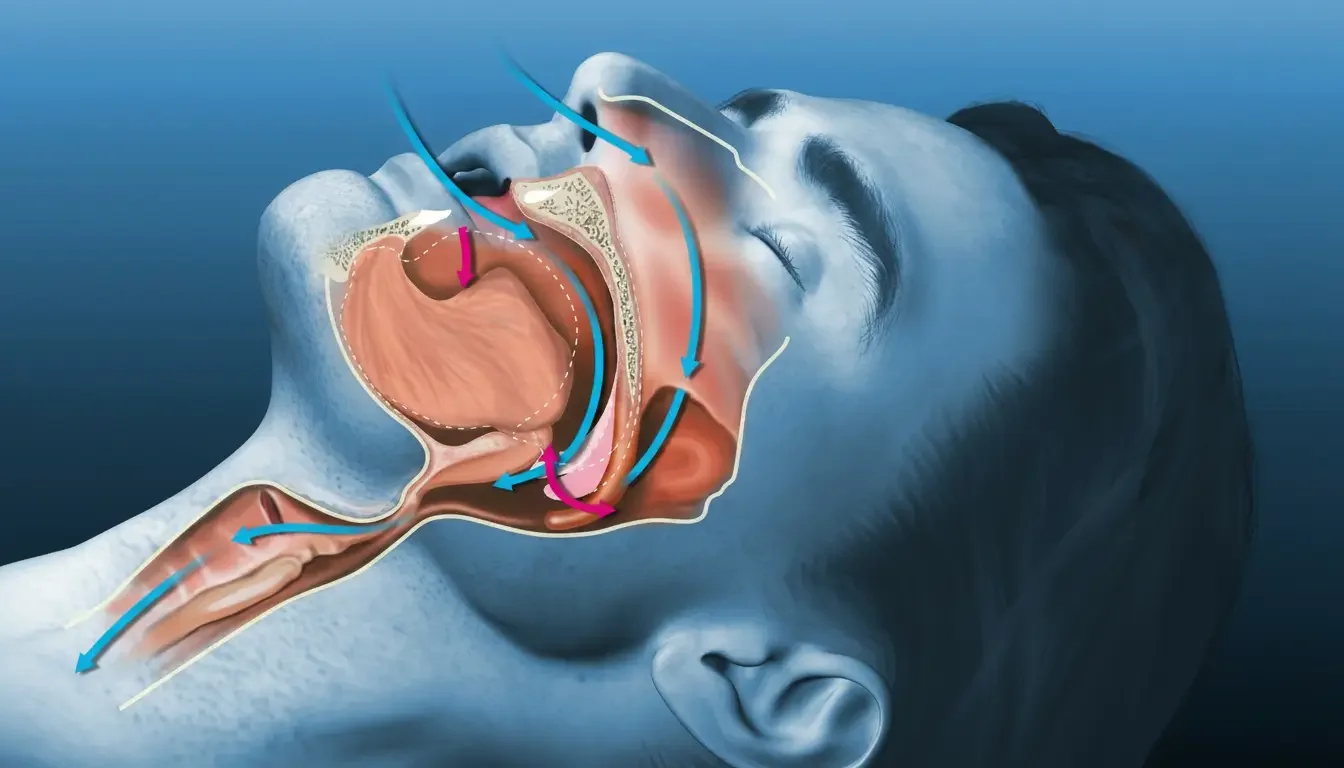
A new oral medication improved breathing interruptions in sleep apnea patients during clinical trials, though tolerability concerns surfaced as one in five participants discontinued treatment due to side effects. For many people with obstructive sleep apnea, getting quality sleep is ...

New research shows that dementia risk factors affect women’s cognitive health more than men’s, highlighting the need for prevention strategies that address these differences. New research suggests that women are more affected by dementia risk factors than men, both in ...

Wearable technology is making it easier to connect our bodies with computers, offering real-time narration, impact monitoring, and biometric tracking for uses from healthcare to accessibility. Wearable devices are changing how people interact with technology and manage their health. These ...

New research finds that women in perimenopause have nearly twice the risk of poor cardiovascular health compared to premenopausal women, with significant declines in lipid and glucose scores. Perimenopause, the stage leading up to menopause, is now being linked to ...