

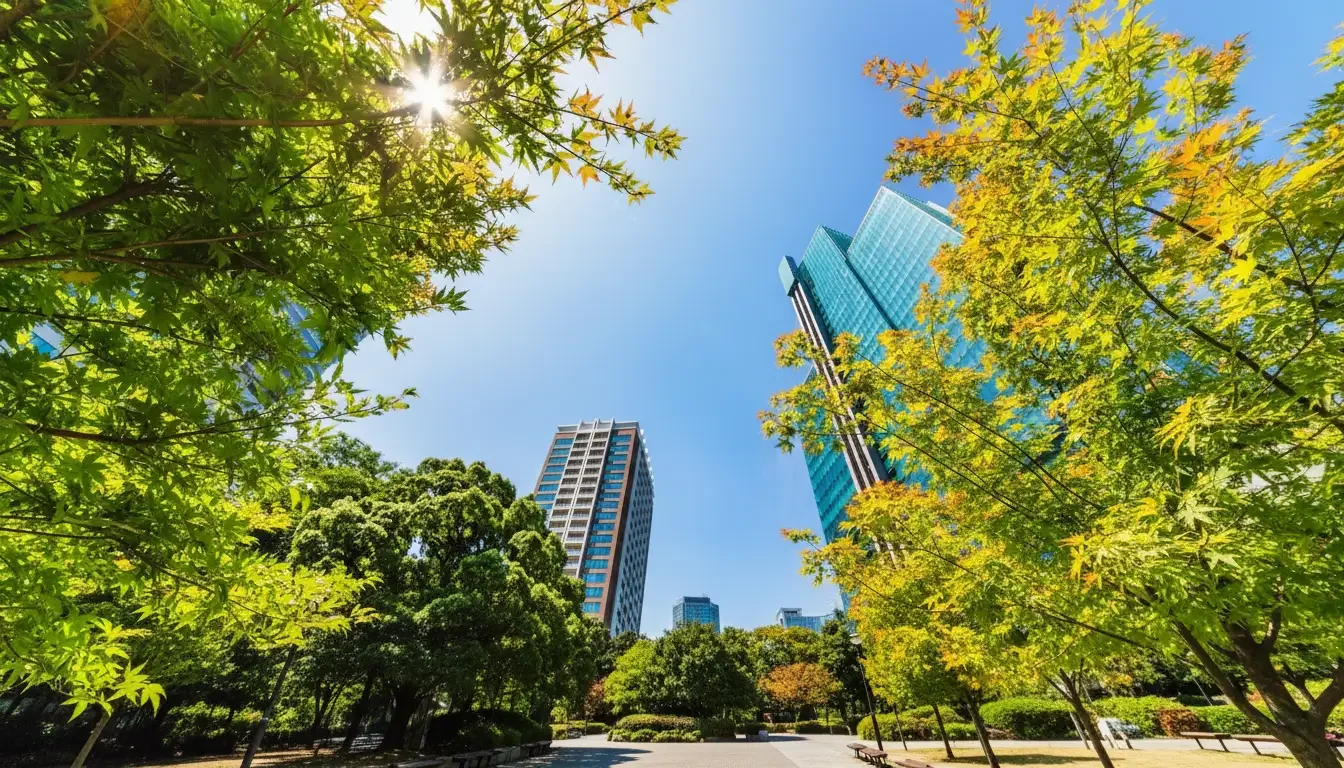
Tropical cities are combining parks, shade, heat alerts, and clear communication to help people enjoy outdoor activities safely as temperatures continue to rise.
As temperatures keep rising in cities like Singapore and Bangkok, it’s getting harder for people to stay active and healthy outside without risking heat-related illnesses. New research highlights how tropical cities are trying to keep the benefits of outdoor activities while protecting residents from dangerous heat, especially in the most at-risk communities.
Why City Heat Keeps Getting Worse
Tropical cities are heating up faster than many other places. While greenhouse gases trap heat everywhere, city environments make things worse. Concrete buildings, fewer trees, and heat from traffic all add to the problem.
Humidity in these areas makes things even riskier. When the air is heavy with moisture, sweat doesn’t evaporate as quickly, so it’s harder for the body to cool down. In places like Bangkok, more people visit clinics during periods of intense heat and humidity.
Urban populations in tropical regions are expected to grow quickly in the coming years, meaning more people will have to deal with longer, hotter, and more humid days.
Who Faces the Toughest Challenges
Not everyone can handle the heat in the same way. Older adults, babies, pregnant women, and people with lower incomes are especially at risk. Many live in homes with poor airflow and little access to cooling options.
Air pollution makes things even harder. When hot, humid air mixes with dirty air, the risk of health problems goes up. Outdoor workers and people without air conditioning are hit the hardest by these conditions.
Researchers also say we still don’t fully understand how much heat and humidity people can tolerate. More studies are needed to help cities create safe guidelines for outdoor activities.
What Happens When Staying Active Gets Complicated
Public health advice can sometimes be confusing. On one hand, being active outdoors is encouraged for physical and mental health. On the other, there are warnings to avoid going outside during extreme heat.
Researchers looked through thousands of studies but found only a few that focused on how heat affects outdoor habits in tropical cities. Most of these studies were from Southeast Asia and showed that people tend to change the timing, location, and type of activities depending on the heat. For example, many people exercise early in the morning or look for shaded spots.
There’s still not enough information, so cities need more research to make the best decisions for keeping people safe and active.
New Approaches Are Changing the Game
Many cities are now using a mix of “heat-smart” strategies to lower risks and help people stay active. Singapore is often seen as a leader in these efforts.
Large parks and green spaces are among the most effective ways to cool city areas. Street trees give shade along sidewalks, and vertical gardens on buildings add extra cooling. Water features like ponds and fountains can help, though their effects are usually limited to certain times of day.
Singapore’s Steps Toward Safer Outdoor Spaces
Singapore’s Cooling Singapore 2.0 project tracks temperature hotspots and shares real-time heat risk updates with the public. The National Heat Stress Advisory tells people when to limit outdoor activities, especially during the hottest parts of the day.
City planners are also designing buildings and public spaces to boost airflow and provide more shade. Simple ideas like misting stations or handing out ice slushies at events can make a big difference for people spending time outside.
Looking Forward as Cities Adapt
There are still hurdles to clear. Cities need better data to find out where the greatest heat risks are. Clearer public messaging is needed, especially since current heat warnings rarely mention the added dangers from air pollution.
Urban planners also have to be careful about unintended effects. For example, reflective surfaces can make sidewalks even hotter for pedestrians. Nighttime events might create safety or sleep problems. It’s also important to make sure that efforts to cool cities don’t end up pushing out vulnerable residents through gentrification.
Combining nature, smart design, and clear communication is essential. As one researcher said, “As tropical cities warm, this review reveals why parks, shade, heat advisories, and smarter public messaging must work together to protect the benefits of outdoor recreation without exposing vulnerable communities to unsafe humid heat.” Focusing on the needs of crowded neighborhoods and the most at-risk groups will help cities thrive as temperatures rise. With careful planning, outdoor life in tropical cities can stay safe and open to everyone.
Source: News Medical