

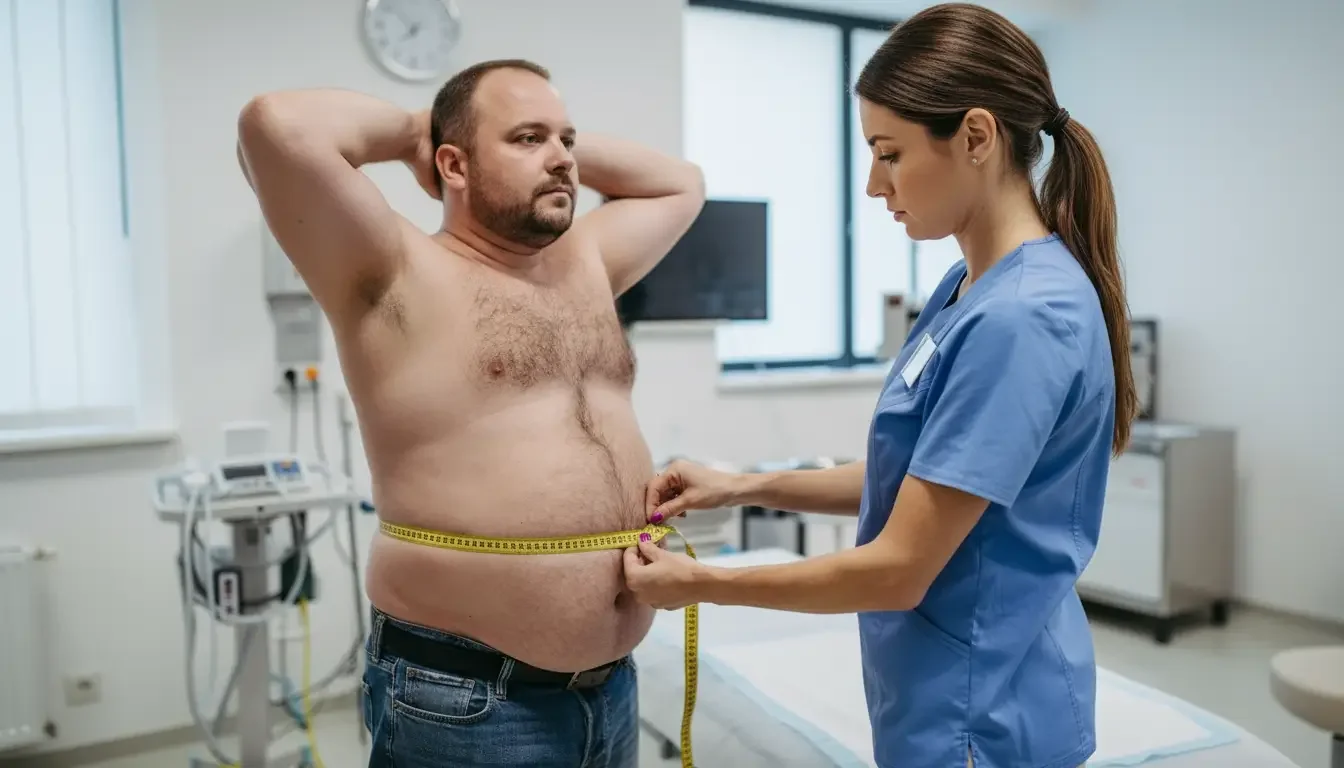
A new model helps identify people at high risk for obesity-related health problems using basic health data, providing more accurate results than standard BMI measurements.
For years, body mass index (BMI) has been the standard tool for assessing health risks linked to weight, but it often misses important details. Now, researchers have created a tool called OBSCORE that looks beyond BMI to better pinpoint who is most likely to develop serious health problems related to obesity.
What BMI Leaves Out Might Matter More
BMI is widely used, but it doesn’t tell the whole story. Obesity plays a major role in millions of deaths each year, mostly from diseases like type 2 diabetes and heart problems. New medications such as semaglutide and tirzepatide are promising, but treating every adult who is overweight or obese isn’t practical, especially since up to 70 percent of adults in Western countries fall into these categories.
Doctors need clearer ways to figure out who should get early treatment or who could benefit from lifestyle changes or medication. Using BMI alone can miss people who are at real risk and may also include those who don’t need immediate help. That’s where OBSCORE comes in, offering a more targeted approach.
Experts now agree that clinical obesity should be assessed using a range of factors, not just weight. Until now, there hasn’t been a reliable, data-driven method to sort people by their true risk for future obesity-related health problems.
The Data Behind a New Way to See Risk
To develop OBSCORE, researchers analyzed data from nearly 200,000 participants in the UK Biobank, a large health study of UK adults. They tracked 18 different obesity-related conditions over ten years, including high blood pressure, sleep apnea, and joint issues.
In building the tool, the team reviewed thousands of health factors. They found that basic clinical information, like blood test results, existing medical conditions, and general health data, was the most useful in predicting future risks. Adding genetic data and more complex measures didn’t improve predictions for most conditions.
In the end, just 20 key features were enough to accurately predict the risk for most obesity-related problems. Most clinics already collect these measures, making OBSCORE practical for everyday use.
The tool was also tested in other groups, including the EPIC-Norfolk study and among British Pakistani and Bangladeshi adults, to make sure it works across different backgrounds.
Hidden Patterns in Risk Start to Emerge
OBSCORE was able to find people at high risk for obesity complications, even when their BMI wasn’t in the obese range. Many flagged as high risk were only overweight, showing that BMI alone can miss important cases. Risk also varied widely among people with the same BMI.
Compared to traditional BMI-based approaches, OBSCORE gave much more detailed and accurate results. It was especially good at predicting conditions like gout, chronic kidney disease, and type 2 diabetes. While it was less accurate for some conditions, like diaphragmatic hernia, overall OBSCORE outperformed other risk models.
The tool could also track changes in risk after treatment. For example, in a clinical trial of the weight-loss drug tirzepatide, people marked as higher risk by OBSCORE saw the greatest health improvements after treatment. This suggests the tool could help doctors monitor how well different interventions are working.
Decisions in Healthcare Get a New Tool
OBSCORE can help doctors and clinics decide who should get early treatment, medication, or surgery. By focusing on those at highest risk, healthcare systems can use resources more effectively. Since the tool relies on data most clinics already collect, it can be put into practice with little extra effort.
There’s also an online calculator that lets people see their own risk estimates using the OBSCORE model. This could help individuals better understand their health risks and make more informed choices about their care.
A data-driven tool built from nearly 200,000 individuals reveals who is most likely to develop serious obesity-related diseases, offering a smarter way to target treatment beyond BMI.
What’s Next for This Fresh Approach
Researchers say that while OBSCORE is a major step forward, more work is needed before it becomes routine in clinics. Doctors still need to decide which risk levels should lead to specific treatments, and the tool needs to be tested in more diverse groups, especially among younger adults and people from different backgrounds.
Even so, OBSCORE is opening the door to a new way of thinking about obesity risk. By moving past simple weight measurements, it helps build more personalized health plans.
Source: News Medical