

A new oral medication improved breathing interruptions in sleep apnea patients during clinical trials, though tolerability concerns surfaced as one in five participants discontinued treatment due to side effects.
For many people with obstructive sleep apnea, getting quality sleep is a daily challenge. Common treatments like CPAP machines can be uncomfortable and hard to use, causing many to stop treatment. Now, a new pill called AD109 is being studied as an alternative, but it brings up important questions about side effects and whether people can stick with it long term.
Why Standard Approaches Leave Many Still Searching
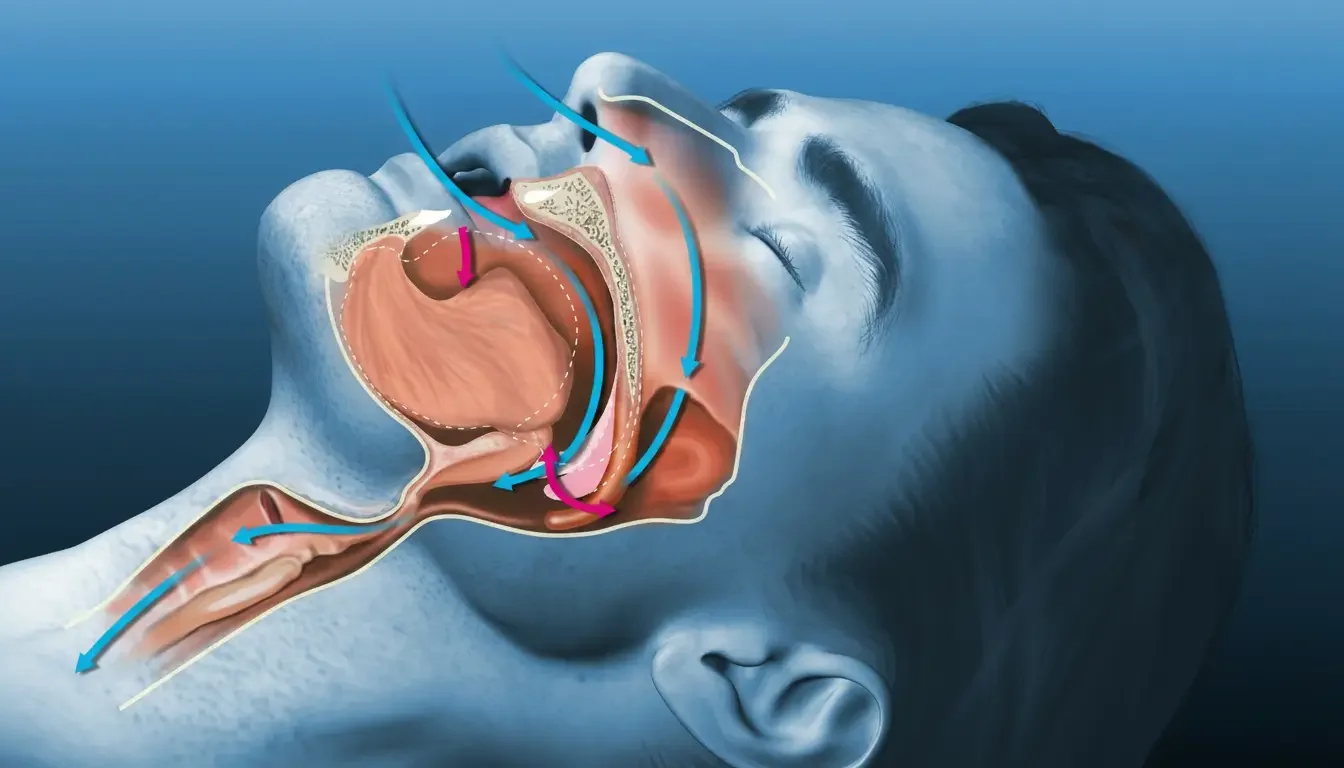
Obstructive sleep apnea happens when the muscles in the throat relax during sleep, leading to repeated pauses in breathing. This condition affects nearly one billion people worldwide and can increase the risk of serious health problems if not treated.
CPAP therapy is the most widely used treatment, but many people find it uncomfortable. Studies show that up to half of users stop using their CPAP machines within a year. Other options, like oral appliances or surgery, are only suitable for certain patients.
AD109 is a new drug that combines atomoxetine, which raises norepinephrine levels, with aroxybutynin, a muscle relaxant. Researchers hope this combination can help keep the airway open during sleep without the need for machines or surgery.
Behind the Scenes of a Major Clinical Trial
The SynAIRgy Phase 3 clinical trial studied AD109 in 646 adults from the United States and Canada. All participants had mild to severe obstructive sleep apnea and were unable to use CPAP therapy effectively.
This was a double-blind, placebo-controlled study, meaning neither the participants nor the researchers knew who was getting the actual drug. Participants took either AD109 or a placebo pill once a day for 26 weeks. Researchers measured how many times each participant’s breathing paused per hour (apnea-hypopnea index, or AHI), as well as oxygen levels during sleep.
Safety was a major focus. The study tracked blood pressure, heart rate, and all reported side effects. Participants also filled out surveys about fatigue and sleep quality, giving a complete picture of how the drug affected their daily lives.
What Stood Out in the Results
After six months, people taking AD109 had an average reduction of 3.3 breathing interruptions per hour, while those on placebo saw a slight increase. Oxygen levels during sleep also improved for the AD109 group, showing the drug had a measurable effect on sleep quality.
About 42% of people taking AD109 moved to a less severe category of sleep apnea, and nearly 18% achieved full control of their symptoms. These results suggest the drug could be a helpful option for people who can’t use CPAP devices.
Where Side Effects Became a Real Hurdle
However, side effects were common. More than 70% of those taking AD109 reported issues like dry mouth, nausea, insomnia, or difficulty urinating. Around 20% of participants in the AD109 group stopped taking the medication because of these side effects, mostly within the first few weeks of treatment.
Even though the drug improved breathing and oxygen levels, it did not lead to major changes in reported fatigue or overall sleep quality compared to placebo. The number of people who saw their apnea-hypopnea index drop by at least 50% was not significantly different between the groups.
Serious side effects were rare, and no deaths were reported during the study. Both the AD109 and placebo groups had a few participants with serious adverse events, but these were not linked to the study medication.
The Next Steps for Patients and Providers
AD109 could become a new treatment choice for people with mild to severe obstructive sleep apnea who can’t tolerate CPAP therapy. While the drug clearly reduced breathing interruptions and improved oxygenation, side effects led many people to stop treatment early. This means AD109 may be best for those who have tried other options without success.
Researchers point out that AD109 works differently from CPAP, targeting the neurological control of throat muscles instead of physically keeping the airway open. This could open new doors for future treatments and research.
As one sleep specialist explained, “Any new treatment option is welcome in this field, but managing patient expectations will be key.” While AD109 shows promise in reducing breathing interruptions, it may not improve daytime symptoms for everyone.
For now, patients and doctors will need to weigh the benefits of better sleep breathing against the risk of side effects. Ongoing research may help refine the medication or identify which patients are most likely to benefit from this new approach.
Source: News Medical