

College students who walk more each day report better sleep and stronger mental health, while those who stay up late face higher risks, according to new research from Oregon State University. Walking around campus might seem like just part of ...

A recent study shows that diagnosis codes miss most self-harm cases recorded in veterans’ medical files, pointing to a gap in how mental health is tracked and managed. Crucial mental health details are often hidden deep within medical records, making ...

New research shows that moderate-to-vigorous activity offers greater benefits for reducing depression and anxiety symptoms in middle-aged adults than light exercise like walking. Many people try to boost their mental health by staying active, but not all types of movement ...

Weill Cornell Medicine launches a major research initiative with a $5 million federal grant to address the lifelong challenges faced by adolescent and young adult cancer survivors, using new mobile technology and community outreach. For many young people, surviving cancer ...

Researchers at the University of Copenhagen have identified 29 interconnected factors that create self-reinforcing cycles, trapping young adults in patterns of poor sleep and mental health challenges. Sleep problems and mental health struggles are on the rise among people aged ...
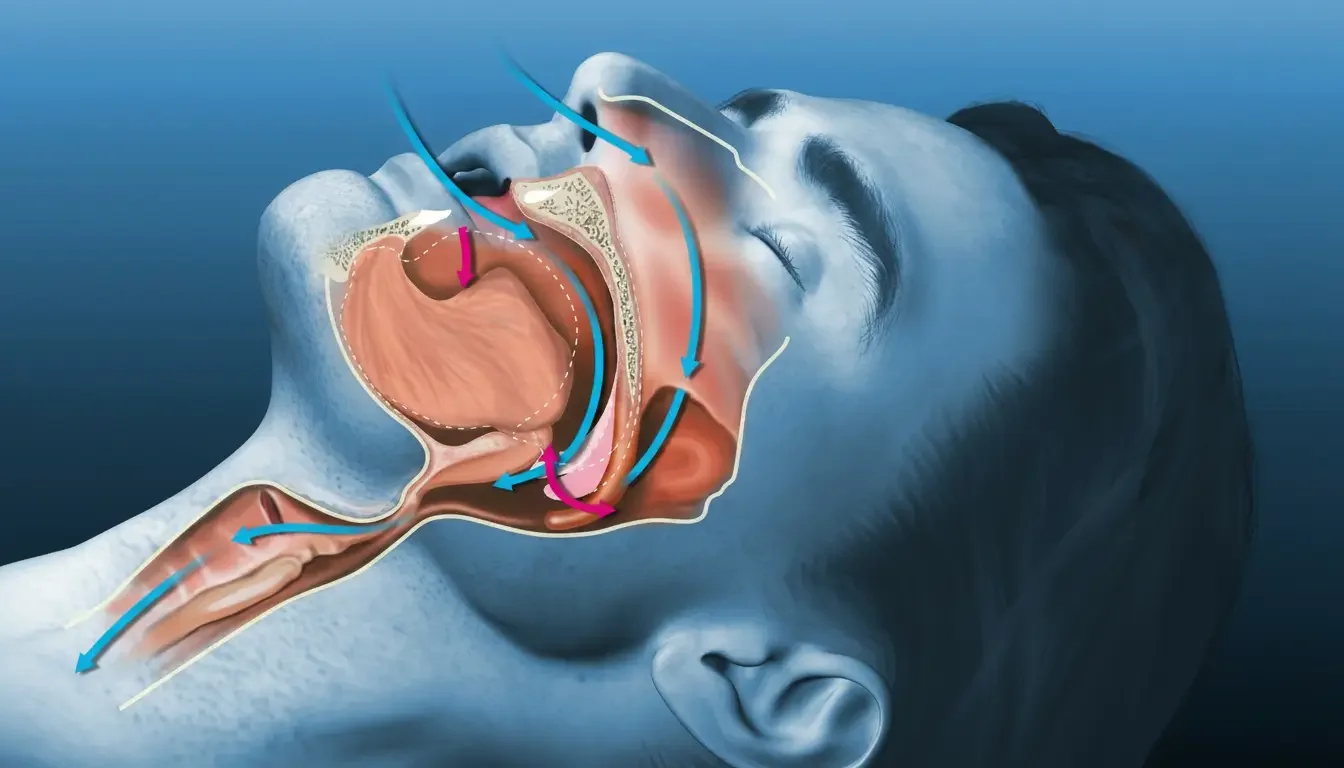
A new oral medication improved breathing interruptions in sleep apnea patients during clinical trials, though tolerability concerns surfaced as one in five participants discontinued treatment due to side effects. For many people with obstructive sleep apnea, getting quality sleep is ...

A four-year study shows that your nightly dreams are not random. They are strongly influenced by your personality traits and daily experiences, offering new insights into how scientists understand sleep and consciousness. People often wonder why their dreams mix recent ...

Family encouragement and straightforward eating guidelines make time-restricted eating more manageable for people with type 2 diabetes, according to new research exploring sustainable dietary strategies. For many people with diabetes, following a diet can feel overwhelming. Recent research shows that ...
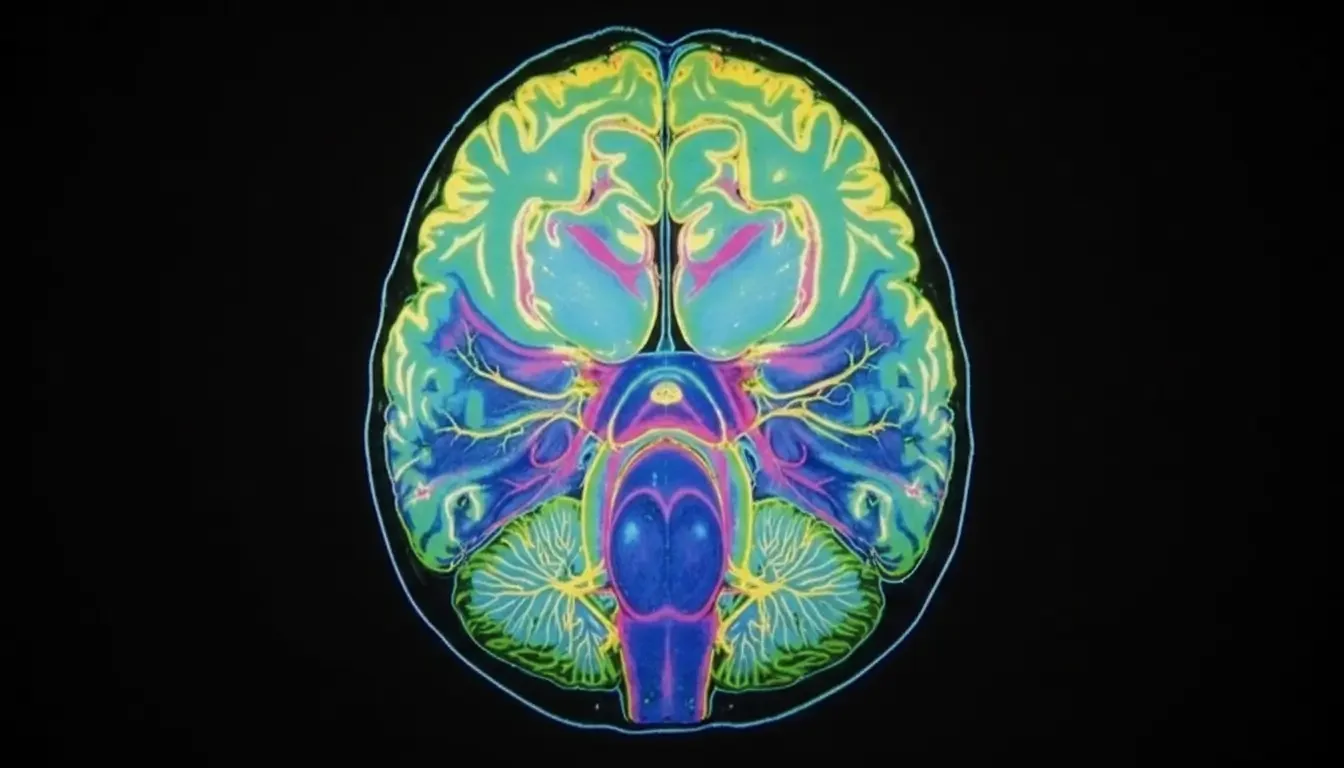
Researchers have found that brief, disruptive brain events in epilepsy follow a predictable pattern, appearing up to one second before they occur. This discovery could lead to new ways to improve life for people with epilepsy. Many people think of ...
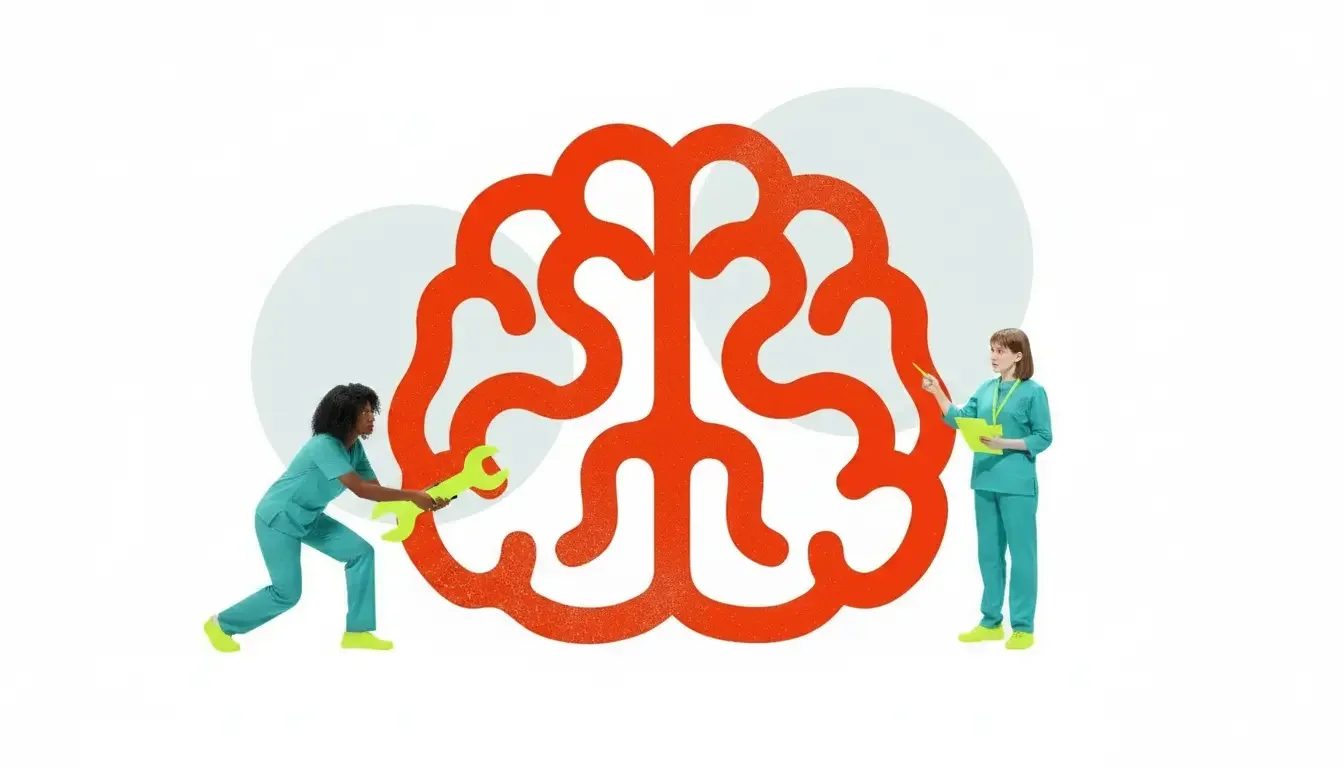
Protecting your brain starts early. New American Heart Association guidelines highlight how factors from childhood pollution to adult sleep habits shape lifelong cognitive health. Many people don’t think about brain health until they get older, but new research shows that ...

Flinders University research shows that practice nurses could deliver proven sleep therapies if services are designed with patient input. Many people turn to their local GP clinic for help with sleep issues, but getting effective treatment can be difficult. New ...

University of Florida researchers have found that sleep deprivation changes gut bacteria, which reduces the effectiveness of chemotherapy and increases cancer growth in mice. Most people know that getting enough sleep is important, but new research suggests it may play ...

A large study tracking millions of days of movement finds that walking more can reduce some of the health risks linked to long periods of sitting, but heart risks may still remain even with high step counts. Researchers have tracked ...
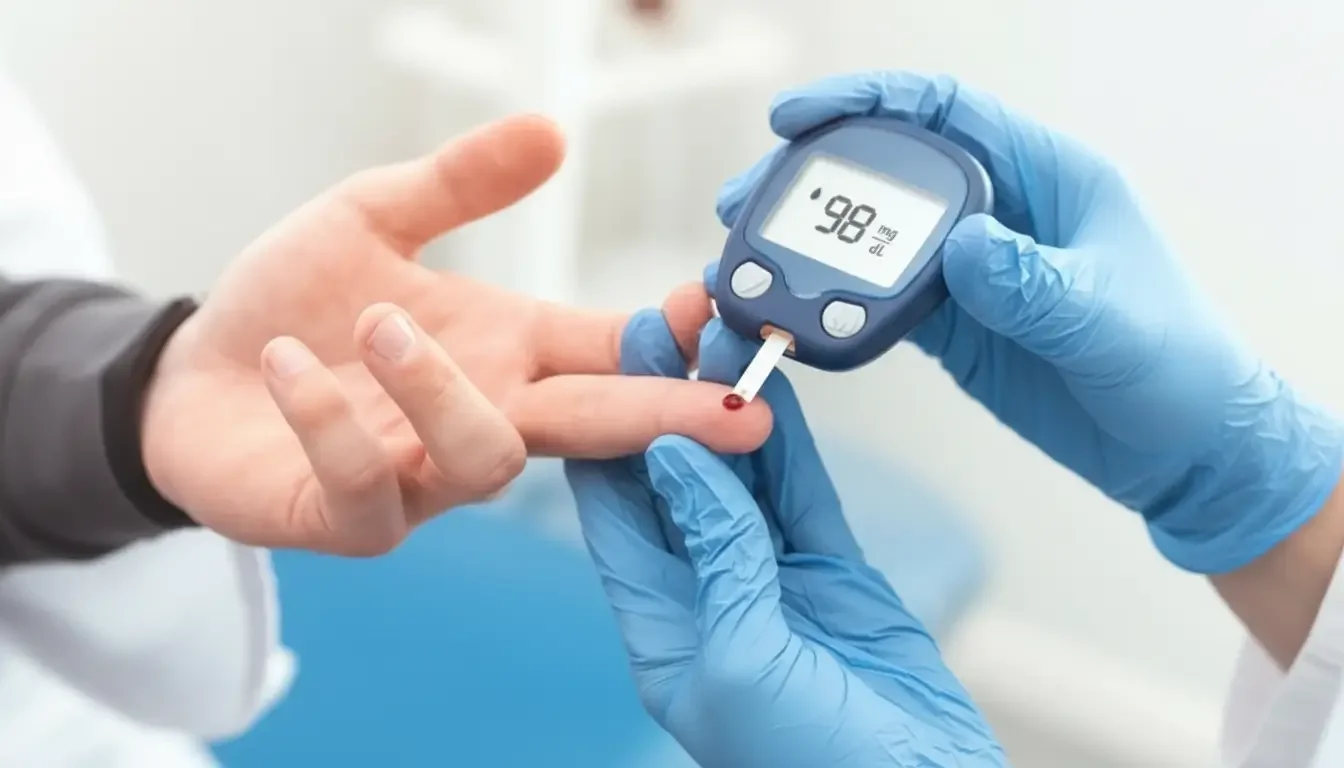
The American College of Lifestyle Medicine has launched a digital film series that highlights how evidence-based lifestyle changes can help people achieve remission from type 2 diabetes, sharing real patient stories and practical approaches. Across the United States, millions ...
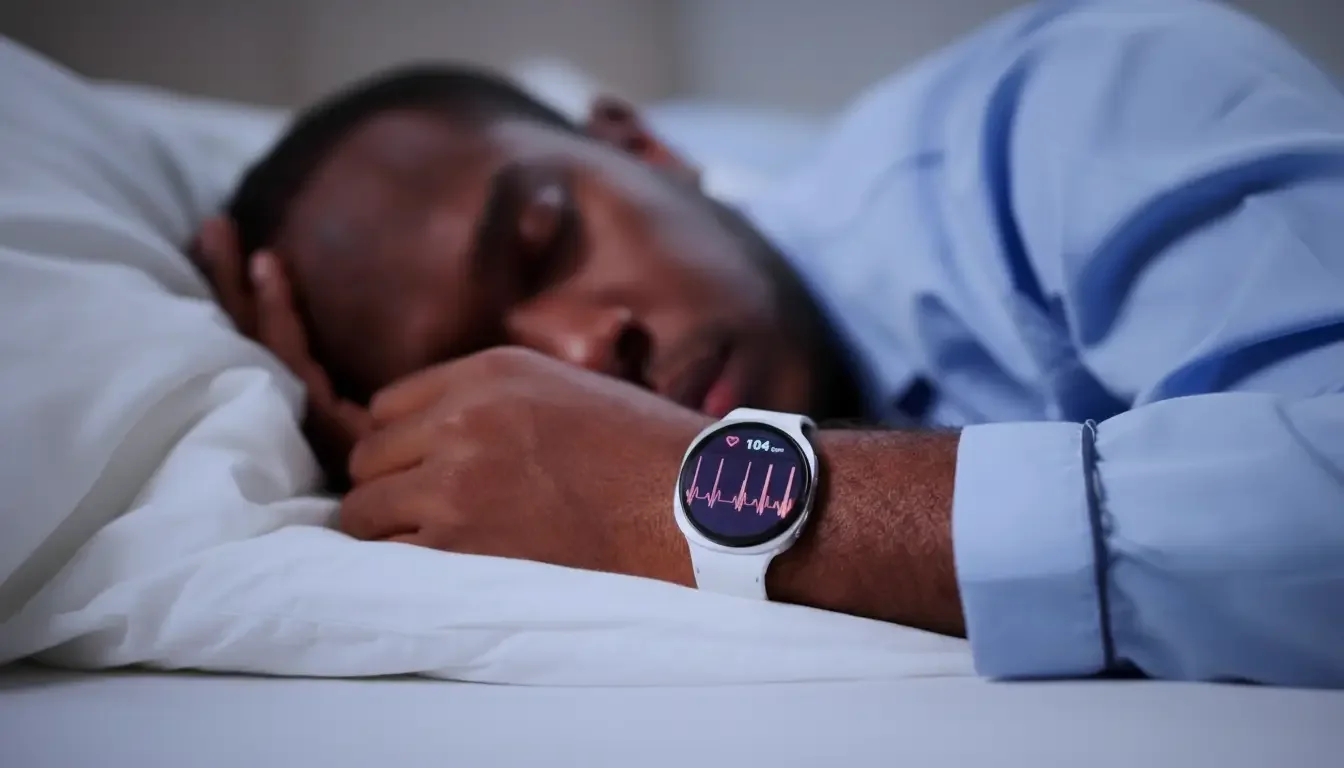
Norwegian research finds that sleep tracking apps help many users understand their sleep patterns, but may also raise anxiety for some groups. More people than ever are using sleep tracking apps to get a clearer picture of their nightly rest. ...