

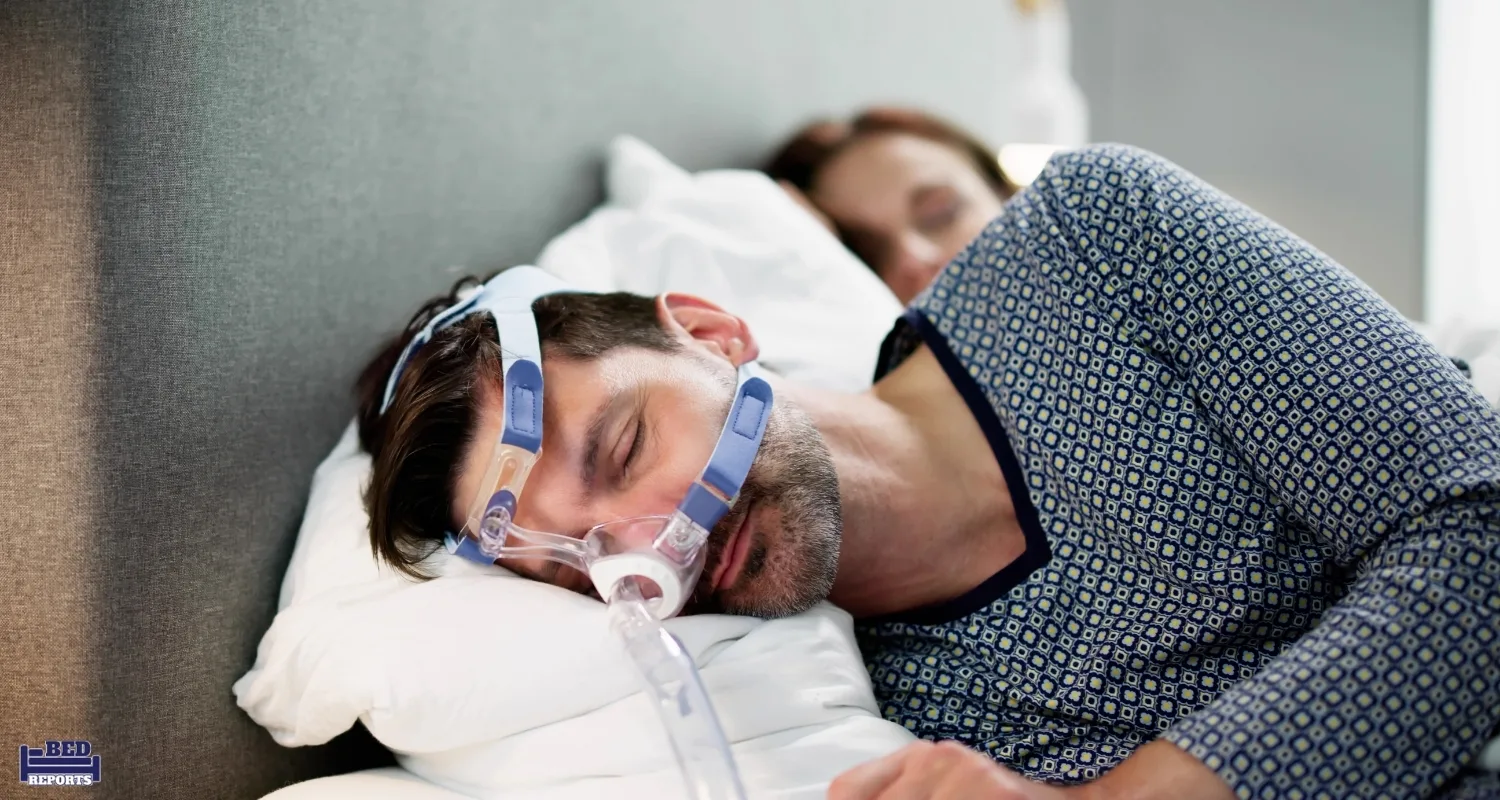
A clinical trial found that sulthiame reduced nighttime breathing pauses by 47% in people with sleep apnea, potentially offering an alternative to CPAP machines.
Many people living with obstructive sleep apnea may soon have another option besides bulky sleep machines. A recent European clinical trial suggests that an existing medication could make a real difference by cutting down breathing interruptions during sleep for those with this condition.
Why Many Struggle With Standard Sleep Apnea Care
Obstructive sleep apnea is much more than loud snoring. It happens when the muscles in the throat relax too much during sleep, blocking the airway and causing repeated pauses in breathing. This can lower oxygen levels and prevent restful sleep.
If left untreated, sleep apnea raises the risk of serious health issues like high blood pressure, heart disease, stroke, and type 2 diabetes. Even with these risks, the most common treatment is still the continuous positive airway pressure, or CPAP, machine.
CPAP machines work by keeping the airway open with a mask during sleep. While they can be effective, many people find them uncomfortable or hard to use. Research shows that nearly half of patients stop using CPAP within a year because of discomfort with the mask or the device.
These challenges have led researchers to look for other ways to treat sleep apnea, including the possibility of using medication.
A Closer Look at a New Sleep Apnea Pill in the Works
The medication in this research, sulthiame, is already approved for a certain type of childhood epilepsy. Researchers wanted to see if it could help people with sleep apnea by making their breathing more stable during sleep.
In the study, 298 adults with moderate to severe sleep apnea took part across several European countries. The study was double-blind, meaning neither the participants nor the researchers knew who was taking sulthiame or a placebo.
The results showed that people who received higher doses of sulthiame had up to 47 percent fewer breathing interruptions compared to those who took a placebo. These participants also had better nighttime oxygen levels. Most side effects were mild and went away on their own.
Sulthiame seems to work by boosting the body’s natural drive to breathe, making it less likely for the upper airway to collapse during sleep. Since airway collapse is the main cause of obstructive sleep apnea, this is a key finding.
What This Means for People With Sleep Apnea
This study is important because it shows that medication can make a real impact on sleep apnea, a condition that has mostly been treated with machines for years. However, the trial only lasted a few weeks, so more research is needed to see if the benefits continue over time.
Experts Weigh In on the Next Steps
Jan Hedner, a senior professor of pulmonary medicine at the University of Gothenburg, led the study. He said, “We have been working on this treatment strategy for a long time, and the results show that sleep apnea can indeed be influenced pharmacologically. It feels like a breakthrough, and we now look forward to larger and longer studies to determine whether the effect is sustained over time and whether the treatment is safe for broader patient groups.”
Other researchers from the University of Gothenburg, Ludger Grote and Kaj Stenlöf, also played important roles in the study. Their work has opened the door to new treatment possibilities for sleep apnea.
While these results are promising, experts stress that sulthiame is not yet approved for treating sleep apnea. Larger and longer studies are needed before it could become a widely used treatment. For now, CPAP remains the main therapy.
Researchers are also interested in learning if the drug works equally well for everyone and what the best dose might be over longer periods.
What the Future Could Hold for Sleep Apnea Care
The idea of a pill for sleep apnea brings hope to those who struggle with current treatments. While more studies are needed, this trial shows that sulthiame could be an option for people who cannot tolerate CPAP machines.
Future research will look at the long-term safety and effectiveness of sulthiame, and how it might help different groups of patients. For now, the possibility of a medication that can reduce breathing interruptions and improve sleep quality is a welcome development for people living with sleep apnea.
As research continues, many are watching closely to see if this new approach could change the way sleep apnea is managed in the years ahead.