

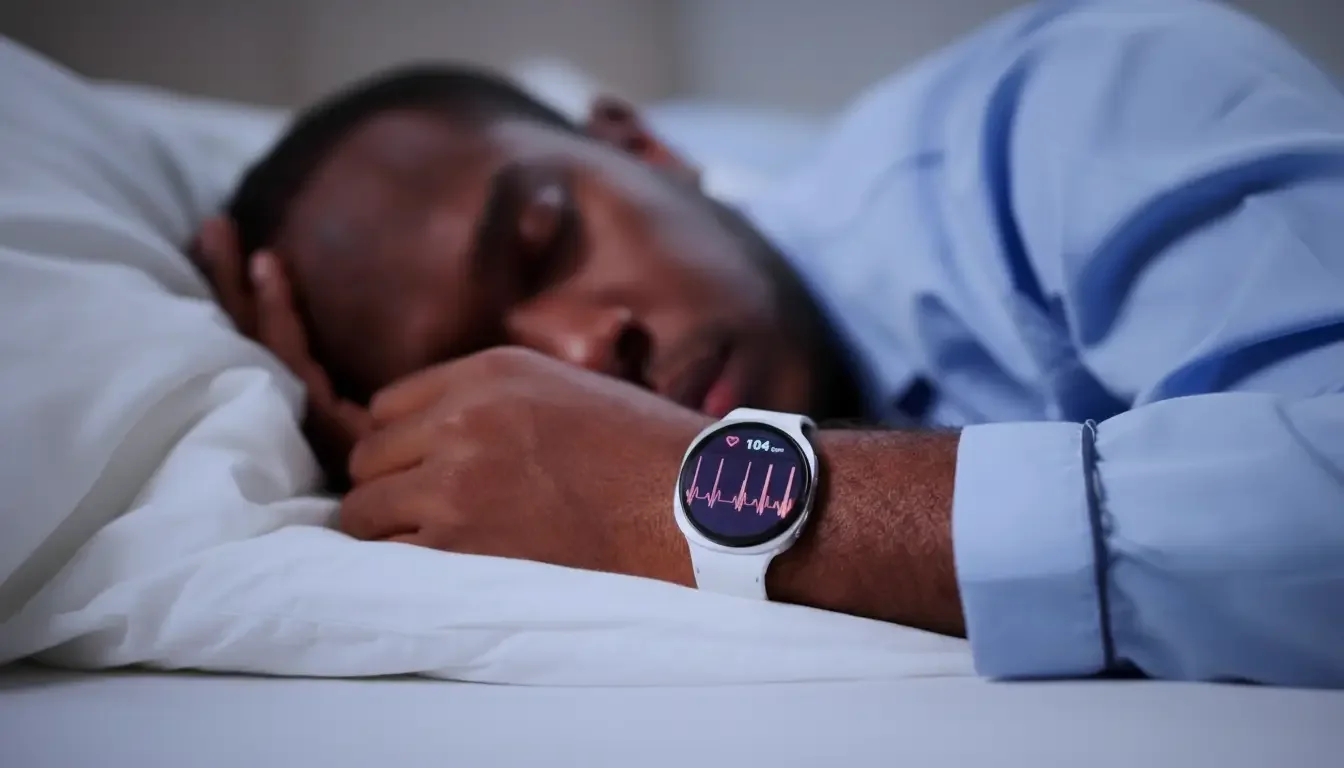
Norwegian research finds that sleep tracking apps help many users understand their sleep patterns, but may also raise anxiety for some groups.
More people than ever are using sleep tracking apps to get a clearer picture of their nightly rest. But do these digital tools always do good? New research from Norway suggests that while sleep apps can help many people learn about their sleep, they can also cause extra worry in some groups. Here’s what the researchers discovered about the impact of these popular apps.
How these digital tools follow your sleep
Sleep apps generally fall into two types: those used on your phone and those that work with wearables like smartwatches or fitness bands. These apps use sensors to track things like your heart rate, body movements, and sometimes temperature as you sleep. Their algorithms then estimate how long you sleep, how restful your sleep is, and sometimes even what sleep stage you’re in.
Most apps give you feedback about your sleep quality and sometimes offer tips to help you rest better. Some even flag possible sleep issues. But for some users, especially when the app’s report doesn’t match how they feel, this feedback can be stressful. Trying to get a perfect sleep score can sometimes make people more anxious, a trend known as “orthosomnia”.
Researchers have found that focusing too much on sleep data can actually make sleep problems worse for some people. The constant tracking and feedback can sometimes lead to more stress, not better sleep.
The numbers reveal more than you think
In a recent study, scientists surveyed 1,002 adults in Norway to see how people use sleep apps and how these apps affect them. Nearly half of those surveyed (46%) said they use sleep apps, with women and people under 50 more likely to use them. Smartwatch apps were the top choice.
Most users reported good experiences. About 48% said they “Learned about own sleep”, and 43% found the apps helpful. Around 29% said the apps encouraged them to make sleep a bigger priority. However, only 15% said the apps actually improved their sleep quality.
Not all feedback was positive. About 18% of users said they worried more about their sleep after using the apps, and 14% thought something might be wrong with their sleep patterns. Still, most users did not feel that the apps made them more stressed about sleep.
Age brings different reactions to the table
Young adults were more likely to react strongly to feedback from sleep apps, both in positive and negative ways. People aged 18 to 35 were more likely to say the apps helped them focus on sleep, but they were also more likely to feel more anxious. For example, about 20 to 23% of younger users felt more anxious, compared to only 2% of those over 65.
Researchers think this might be because younger people use more digital technology overall, including health apps and electronic devices in bed. They tend to pay closer attention to the feedback these apps provide.
Different users, different experiences
People who already have insomnia showed unique responses. They were more likely to agree with statements like “something’s wrong with my sleep” when using these apps. However, they didn’t usually feel their sleep got worse because of the apps. This suggests sleep apps may add to existing worries rather than create new ones.
Education level mattered too. People with less formal education were more likely to feel negative effects from sleep apps, while those with higher education were more likely to report positive effects, like making sleep a bigger priority. This shows that people understand and react to sleep data differently, depending on their background.
Interestingly, the study found no direct link between having insomnia and using sleep apps, which is different from some earlier research. Many users seemed interested in tracking their general health, not just solving sleep problems.
What to keep in mind before you track your sleep
Experts recommend that “Sleep apps should therefore not replace validated diagnostic sleep assessment”. These apps can sometimes give results that don’t match up with clinical sleep studies, so they should be used as a general guide, not a diagnostic tool.
The study does have some limits. Only about 20% of people invited to take part completed the survey, which could affect the results. The research relied on questionnaires, not clinical interviews, and only looked at one point in time, so it can’t prove cause and effect.
If you find sleep apps helpful and they don’t make you anxious, there’s no harm in using them. But if you’re serious about tracking and improving your sleep, instead of apps and devices that only track your sleep, consider a more complex and effective device like Sleepal.
Besides assessing your sleep, it will also recommend solutions to improve it and the toom environment, adjust light to your presence and sleep stage, support you with breathing and meditation exercises, play white noise and soundscapes, and more.
Learn more about Sleepal here!
Source: News Medical