

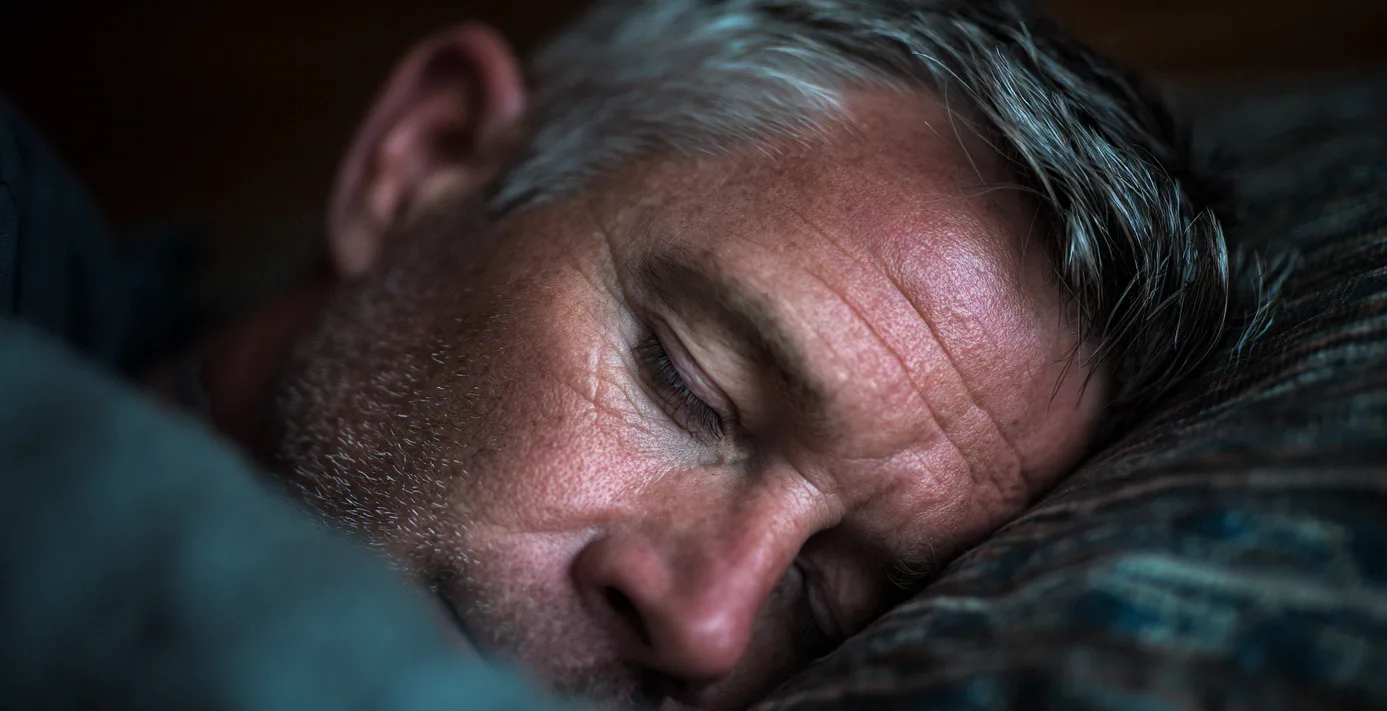
Sleep apnea is more than just loud snoring or restless nights. It is a potentially life-threatening sleep disorder where breathing repeatedly stops and starts during sleep. According to the National Institutes of Health, over 1 billion people globally experience obstructive sleep apnea alone, making this condition a serious concern. If left untreated, sleep apnea significantly increases the risk of heart attacks, strokes, and accidents caused by excessive daytime sleepiness. Many people with sleep apnea remain undiagnosed because symptoms often occur unconsciously and are usually first noticed by a bed partner.
Quick Facts and Global Statistics
Consider these important facts about sleep apnea risk:
- Obstructive sleep apnea (OSA) accounts for 85% of all apnea syndromes worldwide
- Studies in sleep medicine journals show that 26% of adults aged 30 to 70 have OSA
- Moderate to severe cases triple the likelihood of heart disease, according to American Academy research
- Up to 50% of patients with heart failure or atrial fibrillation have coexisting sleep apnea
The Cleveland Clinic reports that untreated sleep apnea leads to oxygen deprivation that can strain your cardiovascular system more than 30 times per hour. This is why recognizing symptoms of sleep apnea, such as chronic fatigue or morning headaches, is so important. Institutions like Johns Hopkins highlight that sleep apnea risk factors include obesity, smoking, and family history, making prevention essential.
Types of Sleep Apnea
Understanding the three primary types of sleep apnea can help you identify your condition:
1. Obstructive Sleep Apnea (OSA)
This is the most common form and occurs when throat muscles collapse, physically blocking your upper airway during sleep. The National Heart Lung and Blood Institute notes that OSA causes 60% of sleep-related breathing disorders. Sleep apnea symptoms in OSA include loud snoring and gasping for air.
2. Central Sleep Apnea (CSA)
Central sleep apnea is different from OSA as it involves neurological dysfunction, where the brain fails to signal the breathing muscles. It is often linked to heart failure or opioid use. Mayo Clinic specialists report that CSA accounts for 0.9% of sleep diagnoses.
3. Complex Sleep Apnea Syndrome
Also known as treatment-emergent central sleep apnea, this hybrid combines both OSA and CSA. The Academy of Sleep Medicine states that it develops in 15% of patients during CPAP therapy. Diagnosing this form requires advanced sleep studies.
Why Prompt Attention Matters
Ignoring sleep apnea can lead to serious health problems. Each breathing pause puts strain on your heart, raises blood pressure, and exposes your organs to stress hormones. The National Institute of Health warns that severe cases can cause over 500 oxygen drops per night. The good news is that effective treatments for sleep apnea are available.
Modern solutions include continuous positive airway pressure (CPAP) machines, oral appliances, and lifestyle changes. Studies from Penn Medicine show that weight loss alone can reduce apnea-hypopnea index (AHI) scores by 50%. For those who have difficulty with CPAP masks, newer positive airways pressure devices offer improved comfort.
Do not underestimate excessive daytime sleepiness. Research in sleep medicine shows it can make driving as dangerous as driving under the influence. If you notice signs of sleep apnea, consult specialists at reputable centers like the Mayo Clinic or schedule home sleep tests. Early intervention can change your life. Remember, breathing should not be a struggle at night.
Recognizing the Signs and Symptoms of Sleep Apnea
Spotting this sleep disorder early can make a significant difference. Symptoms of sleep apnea are often easy to overlook. Many people think loud snoring is normal, or blame fatigue on a busy lifestyle. However, these subtle signs of sleep apnea are actually signals of oxygen deprivation. If ignored, they can lead to serious health problems.
Common Symptoms in Adults
Adults experience both nighttime and daytime symptoms. The most noticeable is loud snoring, but not everyone who snores has sleep apnea. More telling are breathing pauses that a bed partner may notice. These silent gaps can last from 10 to 90 seconds. Imagine stopping breathing 30 times an hour. That is the reality for millions.
Nighttime warning signs include:
- Loud snoring that can disturb the household
- Gasping or choking awakenings that startle you awake
- Dry mouth or sore throat upon waking
- Insomnia with frequent trips to the bathroom
- Morning headaches that feel like a tight band around your head
During the day, other issues arise. Excessive daytime sleepiness is the most common. This is not ordinary tiredness but deep exhaustion that can cause you to fall asleep during conversations. The Cleveland Clinic notes that the risk of driving with sleep apnea is similar to driving under the influence. You may have trouble concentrating, experience memory lapses, or become irritable, which can strain relationships.
Untreated cases are linked to accident rates up to 15 times higher than average. This is due to microsleeps, which are brief episodes where the brain lapses into sleep without warning. These moments can cause people to forget appointments or misplace items. Mood swings and a higher risk of depression are also common, according to sleep medicine journals.
Symptoms of Sleep Apnea in Children
Sleep apnea in children often presents differently. Children rarely report feeling tired during the day. Instead, they may become hyperactive, and teachers might describe them as disruptive. Bedwetting after age 7, night sweats, and restless sleep with unusual positions are also signs to watch for.
Look for these pediatric warning signs:
- Persistent bedwetting despite being toilet-trained
- Nighttime sweating not related to room temperature
- Chronic mouth breathing instead of breathing through the nose
- Behavioral issues such as aggression or defiance
- Academic struggles even with normal intelligence
Enlarged tonsils often block children’s airways. The National Institutes of Health notes that pediatric cases are rising due to childhood obesity. Unlike adults, children with obstructive sleep apnea may show paradoxical breathing, where their chest pulls inward during inhalation. Growth delays can also occur. Early diagnosis is crucial to prevent developmental setbacks.
When to See a Sleep Specialist
If you suspect this sleep disorder, do not wait. Multiple symptoms require prompt action, especially if you experience excessive daytime sleepiness along with observed breathing pauses. High sleep apnea risk factors like obesity or high blood pressure increase the urgency. Remember, self-diagnosis is not reliable.
See a sleep specialist immediately if you notice:
- Snoring loud enough to be heard through closed doors
- Choking sensations that wake you repeatedly
- Daytime fatigue causing mistakes at work or near-misses
- Morning headaches occurring three or more times a week
- A partner noticing breathing stoppages during sleep
Diagnosis is straightforward. Many clinics offer home sleep tests, which are portable monitors that track your breathing overnight. For complex cases, lab-based sleep studies provide detailed insights. Centers like the Mayo Clinic use advanced technology to record movement, oxygen levels, and brain waves.
Once diagnosed, there are many treatment options. CPAP therapy is the gold standard, and modern machines are very quiet. For those who struggle with masks, oral appliances are available. Lifestyle changes such as weight loss can also greatly improve outcomes. Even adjusting your sleeping position can help.
Prioritizing sleep health can prevent serious complications. Untreated sleep apnea puts strain on your heart and raises your blood pressure. The risk of heart disease increases significantly. The good news is that proper management can reverse most symptoms. Sleeping soundly through the night restores your quality of life.
Understanding the Causes and Risk Factors of Sleep Apnea
Understanding why sleep apnea occurs is key to prevention. Different apnea causes lead to different types of this sleep disorder. Physical blockages can deprive your body of oxygen, while neurological issues can disrupt breathing rhythms. Recognizing these sleep apnea risk factors can save lives. Let’s explore what causes breathing to stop.
What Causes Sleep Apnea?
Three main mechanisms can cause this sleep disorder, each with unique causes sleep apnea experts have identified:
- Obstructive sleep apnea happens when throat muscles collapse, narrowing your upper airway. The National Heart Lung and Blood Institute confirms this is the most common type.
- Central sleep apnea is caused by neurological signaling failures, where the brain does not instruct the breathing muscles. This is often linked to heart failure or opioid use.
Complex sleep apnea is a combination of both problems and can develop during treatments like CPAP therapy. The American Academy of Sleep Medicine notes that this hybrid form requires specialized care. All types lead to cycles of oxygen deprivation, which strain your heart lung system.
Major Sleep Apnea Risk Factors
Certain traits greatly increase your sleep apnea risk. Obesity is the most significant factor, as fat deposits around the upper airway can block airflow. Weight loss of just 10% can reduce events by 30%, according to Johns Hopkins research.
- Excess weight: The strongest predictor for obstructive sleep apnea
- Anatomical features: Enlarged tonsils, a thick neck, or a recessed jaw
- Age and gender: Men over 40 have a higher risk
- Family history: Genetic traits that affect airway structure
- Substance use: Alcohol relaxes throat muscles and smoking causes inflammation
- Medical conditions: Heart disease, high blood pressure, diabetes, and hypoventilation syndrome
The National Institutes of Health warns that combining smoking with obesity can triple your sleep apnea risk. Hormonal disorders such as thyroid issues can also play a role. Many people with sleep apnea have more than one risk factor.
Sleep Apnea in Special Populations
Certain groups are more vulnerable. Children often develop sleep apnea in children due to enlarged tonsils. Adults with chronic health conditions may have different patterns.
- Children: Enlarged tonsils and adenoids cause 90% of pediatric cases, according to Mayo Clinic data
- Chronic nasal congestion: Deviated septums or allergies can force mouth breathing
- Cardiac or neurological patients: Heart failure can cause central sleep apnea, and strokes can damage breathing centers
Postmenopausal women have a rising sleep apnea risk due to hormonal changes affecting muscle tone. Those with atrial fibrillation are at particular risk, with studies showing that 50% have an undiagnosed sleep disorder. The Cleveland Clinic recommends screening these groups.
Anatomy is also important. A narrow upper airway can collapse more easily during sleep, even in slim people. Genetic factors often cause these structural issues.
Certain medical conditions can worsen the problem. Heart disease can weaken respiratory control, while diabetes can cause nerve damage. Hypoventilation syndrome can overlap with complex sleep apnea. The National Heart Lung Institute connects 70% of heart failure cases to breathing disorders.
Lifestyle choices can accelerate risk. Sedatives can mimic the effects of central sleep apnea. Alcohol can overly relax throat muscles, and smoking can inflame airway tissues. The good news is that quitting these habits can quickly improve outcomes. Positive airways pressure devices can help when lifestyle changes are not enough.
Diagnosis starts with recognizing signs of sleep apnea. Daytime fatigue should not be ignored, and morning headaches can signal nighttime breathing problems. The American Academy recommends home sleep tests for those at high risk, and facilities like the Mayo Clinic offer advanced sleep studies.
Effective treatments for sleep apnea are available. Continuous positive airway pressure is the gold standard, while oral appliances can help with mild cases. Addressing the causes of sleep apnea can prevent organ damage. Your breathing should not be a struggle at night.
How Sleep Apnea Is Diagnosed: Tests and Sleep Studies
Getting sleep apnea diagnosed is the first step toward restful nights. This sleep disorder often hides during the day. Many people dismiss their exhaustion as normal or blame snoring on allergies. However, an accurate diagnosis can reveal patterns of oxygen deprivation. The diagnostic process involves several stages that build a complete picture.
Initial Evaluation by a Healthcare Provider
Your journey starts with a sleep specialist or primary care physician. They will conduct three main assessments:
- Review your medical history, focusing on symptoms of sleep apnea such as morning headaches
- Analyze your symptoms, including the severity of excessive daytime sleepiness
- Perform a physical examination, checking your upper airway, neck circumference, and blood pressure
This evaluation identifies sleep apnea risk factors such as obesity or high blood pressure. Facilities like the Cleveland Clinic use questionnaires to measure daytime impairment. Observations from your bed partner are valuable, especially if they notice breathing pauses. This initial screening determines if sleep testing is needed.
Sleep Apnea Testing Options
If sleep apnea is suspected, objective sleep studies can confirm the diagnosis. There are two main methods:
- Polysomnography (in-lab sleep study): This gold standard test is conducted at sleep medicine centers. Sensors track brain waves, eye movements, muscle activity, heart rhythm, and oxygen levels throughout the night. The Mayo Clinic notes that this method detects all types of sleep apnea, including central sleep apnea.
- Home sleep apnea test (HSAT): This is a portable device you use at home overnight. It typically measures airflow, breathing effort, and oxygen saturation. While convenient, home sleep tests have some limitations.
The choice between these tests depends on your symptoms and medical history. Complex cases usually require lab-based sleep studies. The National Institutes of Health confirms that in-lab testing provides more comprehensive data. Both methods, however, measure breathing disruptions.
Understanding the Apnea-Hypopnea Index (AHI)
Your sleep apnea test results are based on the apnea-hypopnea index (AHI), which counts breathing interruptions per hour:
- Mild: 5 to 14 events per hour
- Moderate: 15 to 29 events per hour
- Severe: 30 or more events per hour
The apnea-hypopnea index helps determine the urgency of treatment. For example, severe cases require immediate intervention. Research from Johns Hopkins shows that AHI scores above 30 increase the risk of heart disease fivefold. However, AHI is not the only factor; the severity of oxygen drops and the burden of symptoms are also important.
Other Diagnostic Considerations
Several factors can improve diagnostic accuracy:
- Testimonies from your bed partner about gasping or silent periods
- Video or audio recordings of nighttime breathing patterns
- Limitations of home sleep tests in detecting central sleep apnea or complex sleep apnea
This is important because misdiagnosis can lead to ineffective treatment. Home sleep tests may miss neurological breathing problems. This is why institutions like the Mayo Clinic recommend lab studies for patients with heart failure or those using opioids. Your sleep specialist will also consider the severity of your daytime symptoms when interpreting AHI scores.
After diagnosis, your treatment plan can begin. Continuous positive airway pressure therapy is likely for moderate to severe cases. The American Academy of Sleep Medicine emphasizes that a precise diagnosis leads to effective treatments for sleep apnea. For reliable health information, consult trusted sources like the NHLBI medical encyclopedia. Remember, getting a proper diagnosis is the key to regaining restful sleep.
Treatments for Sleep Apnea and Lifestyle Changes That Make a Difference
Effective sleep apnea treatment can transform your life. Every night without proper management puts strain on your body and increases the risk of heart disease and stroke. The good news is that modern solutions are available. From advanced devices to simple lifestyle changes, there are many options. The National Institutes of Health confirms that proper care can reverse many risks. Let’s review the most effective treatments.
Medical Therapies and Devices
Continuous positive airway pressure (CPAP) is the frontline treatment. This breathing device delivers a gentle stream of air through a CPAP mask to keep your upper airway open during sleep. Research from Johns Hopkins shows that CPAP can reduce apnea-hypopnea index (AHI) scores by up to 90%. For those who have trouble with masks, there are alternatives.
- CPAP therapy: The gold standard for obstructive sleep apnea. Modern machines are very quiet and consistent use prevents oxygen drops.
- Other positive airways pressure devices: BiPAP provides different pressures for inhaling and exhaling, while APAP automatically adjusts pressure throughout the night. These are ideal for variable breathing patterns.
- Oral appliances: Custom-fitted by dentists, these devices reposition your jaw forward. They are best for mild cases or for those who cannot tolerate CPAP.
- Breathing devices for central sleep apnea: Adaptive servo-ventilation (ASV) treats neurological causes and is often used for patients with heart failure.
The Cleveland Clinic reports that 80% of patients adhere to newer CPAP machines. Comfort is important, so try different CPAP masks until you find one that fits well. Proper pressure therapy can quickly eliminate morning headaches.
Surgical and Advanced Treatment Options
If devices are not effective, surgery may be an option. The Academy of Sleep Medicine recommends a thorough evaluation first, as not everyone is a candidate. Anatomical problems, such as enlarged tonsils, respond best to surgery.
- Uvulopalatopharyngoplasty (UPPP): Removes excess throat tissue to reduce snoring, though it may not always reduce apnea events. Success rates vary.
- Jaw surgery: Repositions bone structure to permanently open the upper airway. Recovery can take several months.
- Implanted nerve stimulators: Inspire therapy activates tongue muscles and is FDA-approved for moderate obstructive sleep apnea. This treatment avoids the need for masks.
Penn Medicine reports a 70% success rate with hypoglossal nerve implants. However, surgical risks such as infection or changes in swallowing can occur. Always discuss your options with healthcare providers. For complex sleep apnea, a combination of approaches may be necessary.
Lifestyle Changes to Improve Sleep Apnea
Your daily habits have a significant impact on your breathing. Weight loss alone can cut apnea-hypopnea index scores in half. Reducing fat around the throat opens the airway, and the National Heart Lung Institute confirms that losing just 10% of your body weight can reduce events by 30%.
- Weight loss and physical activity: Just 30 minutes of walking daily can reduce neck fat and improve muscle tone, keeping airways open.
- Sleep position adjustment: Sleeping on your side prevents your tongue from collapsing into your airway. Special pillows or sewing a tennis ball into your pajamas can help.
- Avoiding alcohol, sedatives, and smoking: These substances relax throat muscles and smoking inflames the airways. Quitting can improve outcomes within weeks.
- Treating allergies or nasal congestion: Using decongestants or nasal strips can improve airflow, which is especially important for mouth breathers.
Studies at the Mayo Clinic show that positional therapy can reduce events by 50% in people who sleep on their backs. Simple changes can have a big impact. Remember, lifestyle changes also enhance the effectiveness of other treatments for sleep apnea.
Managing Complications and Follow-Up Care
Untreated sleep apnea can silently damage your organs. Ongoing care is essential. Healthcare providers monitor three main areas:
- Screening for heart disease, high blood pressure, and diabetes: Annual checkups can catch problems early, as oxygen drops strain your cardiovascular system.
- Adjusting your personalized treatment plan: Device settings may need to change with weight loss or aging. Regular sleep studies help fine-tune therapy.
The American Academy of Sleep Medicine recommends yearly check-ups. Bring your CPAP machine data card, which records nightly usage. Facilities like the Cleveland Clinic offer telemedicine for remote monitoring. New clinical trial options are also available, and research through the National Institutes of Health continues to explore new therapies.
If you continue to experience excessive daytime sleepiness, your sleep apnea treatment may need adjustment. Do not ignore persistent symptoms. Request an appointment with a specialist at a sleep center in your area. Remember, consistent follow-up can prevent the progression of heart failure. Your sleep health affects every aspect of your well-being.