

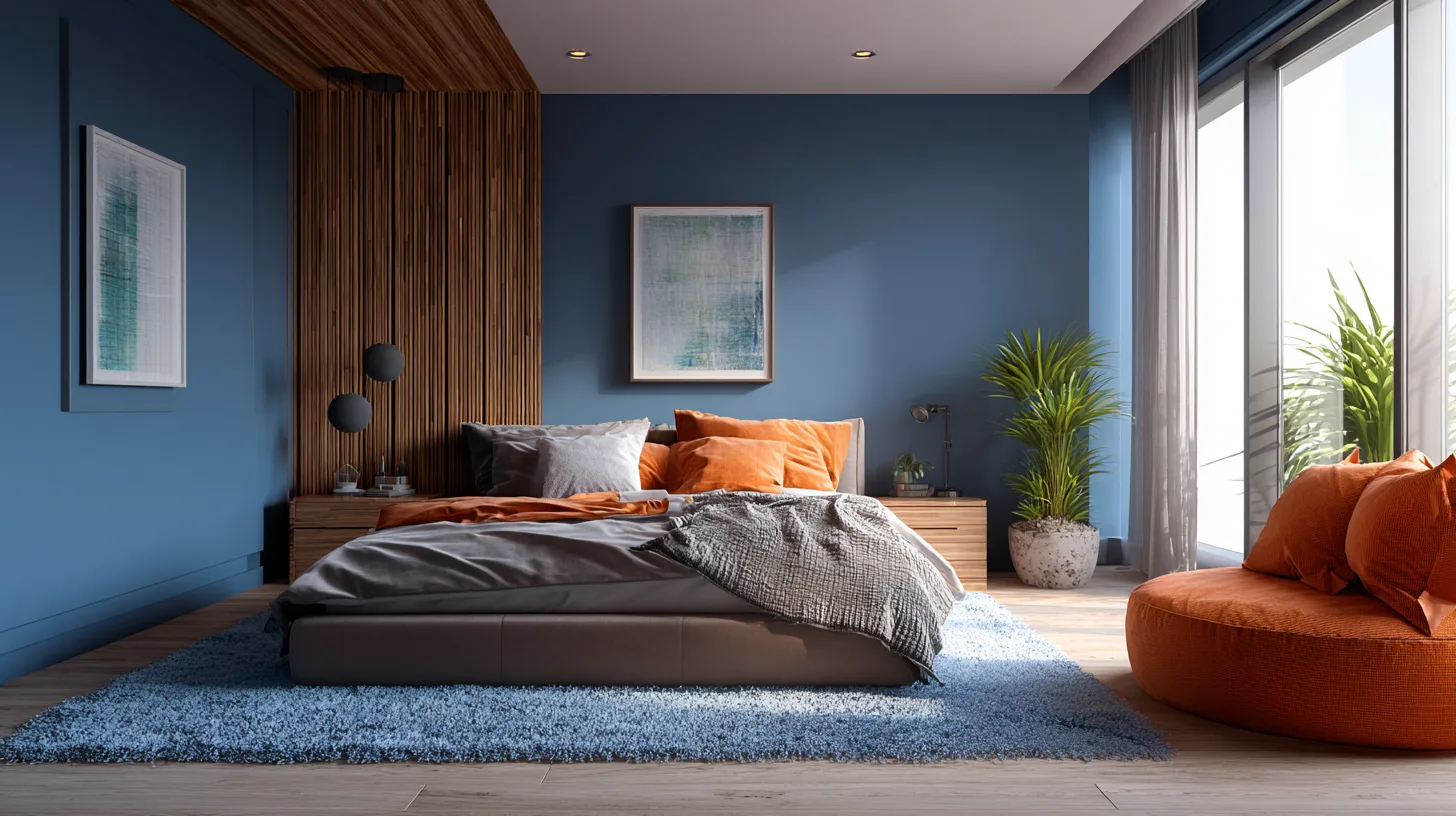
Creating your dream bedroom can feel overwhelming, especially in a small space. But here’s the truth: even the smallest rooms have incredible potential. The key is to master the fundamentals first. Instead of chasing the latest trends, focus on smart planning. Measure carefully, prioritize your needs, and build around the essentials. Let’s transform your compact area into a personal sanctuary.
Start with the Essentials: What Every Bedroom Needs
Every successful bedroom design starts with a solid foundation. Think of these core principles as the building blocks of your space. Without them, you’re just decorating, not truly designing. Let’s break down the process step by step.
1. Assess your space: measure twice, plan once
Grab a tape measure and record every dimension: wall lengths, ceiling height, and window placements. Take note of door swings and electrical outlets as well. Precision is crucial, especially in small rooms where every centimeter counts. Create a floor plan, either on paper or digitally. Mark permanent features like radiators and vents. This blueprint is your guide. Pro tip: measure diagonally too, since awkward corners can hide usable space.
2. Consider airflow and movement paths
Can you walk around the bed comfortably? Does the closet door open fully? These details are essential for daily comfort. Great bedroom design anticipates real-life use.
3. Identify your must-haves
Be honest about your needs versus your wants. Start with the essentials for sleep; the bed size is non-negotiable. Next, consider your storage needs. Do you need hanging space, or is folded storage enough? Think about other functions. Will this room double as an office or a workout space? List your priorities clearly.
This is where comfort becomes strategic. Maybe you give up a nightstand for a yoga mat area, or swap a bulky dresser for wall-mounted shelves. Smart bedroom design is about making thoughtful trade-offs without sacrificing what matters most. Always prioritize sleep quality, as that’s the main purpose of the room.
Choose your mattress and bedroom essentials carefully. There are many comfortable mattresses under $500, cooling and adjustable pillows that support your neck and relieve pressure around the shoulders, and adjustable beds with anti-gravity, anti-snore, and massage functions that can truly change your life. They will determine your sleep, comfort, and bedroom happiness for years to come, so take your time choosing and integrating them.

4. Establish a color palette for harmony
Colors have a powerful effect on mood. For a comfortable bedroom, choose calming hues. Soft neutrals create a sense of openness, while pastels bring gentle energy. Blues and greens are proven to lower heart rates. Select two or three main colors. Use your dominant shade on the walls, secondary tones for bedding, and accents in textiles or artwork. Don’t feel bad if trends like bedroom sploshing appeal to you – they have many victims.
5. Choose your lighting carefully
Bedroom lighting is important and also affects how colors look. Warm bulbs soften cool walls, and natural light changes tones throughout the day. Test color swatches at different times. In small rooms, lighter palettes can make the space feel larger, while darker shades add cozy depth. This color harmony turns bedroom basics into a cohesive retreat.
But today’s lighting fixtures do more than the basics they were designed for. Think SAD light therapy or, better yet, smart devices like Sleepal, the AI-based lamp that turns on and off based on your presence and sleep stage, tracks your sleep and provides optimization suggestions, wakes you up as needed, plays white noise and soundscapes, and guides you through meditation and breathing exercises. With it, you get both smart lighting and sleep tracking, without spending on additional wearable devices.

Bedroom Design Checklist and Preliminary Concepts
- Record all wall measurements and ceiling height
- Map out permanent features like windows and outlets
- Define the room’s functions beyond sleeping
- Select primary and secondary color schemes
- Plan layered lighting: ambient, task, and accent
Each step builds on the one preceding it. Designing a bedroom works best as a sequential process. First, understand your physical constraints. Next, clarify your functional needs. Then, create visual cohesion. This approach works whether you’re designing a closet-sized bedroom or a master suite.
Small rooms require extra creativity. Use vertical storage, consider multipurpose furniture, and place mirrors strategically. But never compromise on sleep quality; make sure your mattress has enough clearance. If your comfort depends on a 16” mattress, then you can’t settle for a Murphy bed that only supports mattresses up to 12” thick. Your path to comfort begins with respecting the space you have but, most of all, your body.
Lighting deserves special attention. Layer three types: general illumination (overhead), task lighting (bedside), and circadian lighting (Sleepal). In compact spaces, wall sconces save surface area. Dimmers allow you to adjust the ambiance instantly. Remember, lighting design affects both color perception and evening relaxation.
Think about textures as well. Mix materials for a richer sensory experience. Pair crisp cotton or lyocell sheets with nubby wool throws, and combine smooth wood with metallic accents. These tactile differences enhance comfort and add depth, making small spaces feel more interesting.
Finally, embrace negative space. Don’t fill every corner. Leaving some areas open creates a sense of luxury in small rooms. Keep some wall space bare and allow clear pathways. This restraint enhances both visual and physical comfort, making your small room feel curated rather than crowded.
These essentials work together: accurate measurements enable functional layouts, clear priorities guide furniture choices, and color harmony unifies the design. This is how to create a bedroom that works, regardless of size. You now have the toolkit. Next comes the fun part: bringing your personal sanctuary to life.
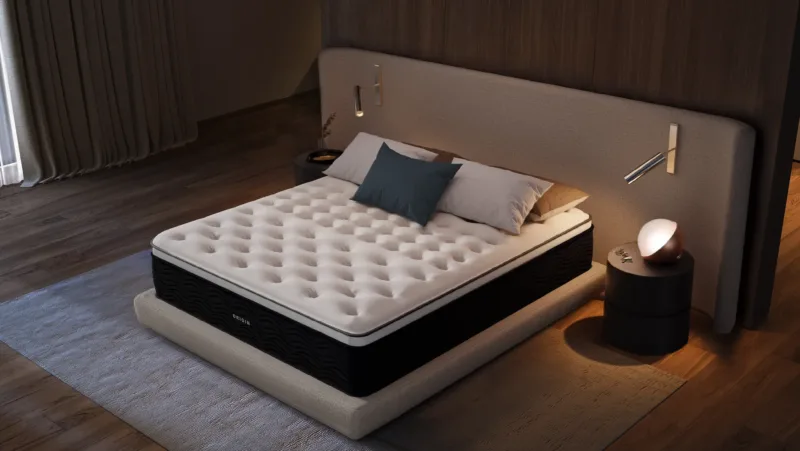
Smart Furniture Choices for Small Bedrooms
When designing a bedroom with limited square footage, your furniture choices are crucial. Avoid bulky pieces that take up too much space. Instead, choose space-saving solutions that enhance both function and comfort. The secret is to treat every bedroom product as a multi-purpose asset within your furniture layout.
Maximize floor space with clever layouts
Start by rethinking traditional arrangements. In a small room, placement is everything. Always maintain at least 24” of clearance around your bed; this makes the space feel more open and navigable. Place larger items against the longest walls first, and angle furniture in tricky corners if needed. Smart furniture layout creates breathing room where you might not expect it.
- Use vertical storage. Look up, your walls offer unused potential. Install floating shelves above beds or beside windows for books and decor. Mount hooks behind doors for robes and bags. Tall, narrow cabinets draw the eye upward while taking up little floor space. This vertical approach is essential for maximizing storage in small bedrooms.
- Consider under-bed solutions. The space beneath your bed is valuable. Choose beds with built-in drawers or hydraulic lifts. If you don’t have built-ins, slide shallow bins underneath for seasonal clothing. Loft beds create extra space below, which is perfect for a small desk or reading nook. This strategy turns unused areas into functional assets.
- Choose furniture with multiple uses. Look for pieces that serve more than one purpose. A storage ottoman offers seating and hides linens. Nesting tables can be tucked away when not in use. Consider a dresser that converts to a vanity with a flip-up mirror. Always ask, “What else could this do?” That’s how to make your bedroom work smarter.
- Pay attention to door swings. Replace traditional hinged doors with sliding options when possible. Pocket doors disappear when open, and barn-style sliders add character without taking up floor space. These small changes can free up crucial inches in tight layouts.
- Mirrors are also important. Place one opposite a window to double natural light, or use full-length mirrors to visually expand the room. In a small space, this creates a sense of openness without adding clutter.
- Don’t overlook foldable solutions. Wall-mounted desks fold flat when not in use, drop-leaf tables provide extra surface area only when needed, and Murphy beds are the ultimate space savers, disappearing during the day. These flexible elements keep your space adaptable.
- Scale matters. Choose lower-profile furniture to highlight ceiling height, and select pieces with legs to show more floor area, which creates a sense of airiness. Avoid oversized headboards that can overwhelm the space. Proportionate selections make your room feel intentional and comfortable.
- Embrace transparency. Glass-top tables and acrylic chairs keep sightlines open, and open shelving units prevent visual blockages. Even woven baskets add texture without adding visual bulk. These choices help maintain a sense of flow in your furniture layout.
Implementing these strategies requires discipline. Don’t fill every corner; leave some negative space to let the eye rest. Test your arrangements by walking through the room and adjusting until movement feels effortless. Mastering bedroom design in tight spaces is about turning limitations into creative opportunities.
Lighting and Color: Setting the Mood in Your Bedroom

Mastering lighting and color can transform even the smallest rooms into serene retreats. These elements shape the atmosphere and impact how the space feels. When planning your bedroom, prioritize lighting and color, as they instantly change your experience of the room. Let’s explore how to use them to their full potential.
Layered lighting for function and ambiance
Effective bedroom lighting works on three levels, much like instruments in an orchestra. Each type plays a unique role but creates harmony together. First is ambient lighting, which provides the foundational glow. Ceiling fixtures or wall sconces offer general illumination. Install dimmers to adjust brightness for any occasion,brighter for mornings, softer for evenings. Dimmers are essential for versatility.
- Overhead, task, and accent lighting – Task lighting is for specific activities, like bedside lamps for reading or vanity lights for grooming. Place them carefully to avoid shadows. Accent lighting adds drama, such as LED strips under shelves or spotlights on artwork. Combining ambient, task, and accent lighting adds depth and adaptability. On a rainy afternoon, boost task lights; for a relaxing evening, use accent lighting. This layered approach is key to a well-designed bedroom.
- Light temperature and its effects – The warmth of your bulbs makes a big difference. Measured in Kelvins (K), warm white (2700K-3000K) mimics sunset and signals relaxation. Cool white (4000K and above) resembles daylight and is best used sparingly, such as in closets.
- Consider placement carefully – Bedside lamps should be at eye level when seated. Overhead fixtures should be centered over walkways, not the bed, to prevent glare during late-night trips. Reflective surfaces can amplify light, a mirrored tray doubles candlelight, and glass tabletops bounce sunshine deeper into the room. These tricks enhance any bedroom lighting plan.
Pro tip: Use smart fixtures like Sleepal, which adjust light to the time of the day, mimicking sunrise and sunset, shining brighter when you wake up, or you’re active around the room, and dimming out when you leave the room or fall asleep. Maximize natural light with sheer curtains that diffuse sunshine and make small rooms feel brighter. Remember, lighting directly affects your body’s rhythms, so get it right for true restfulness.
Color choices that enhance relaxation
Your color palette sets the emotional tone of the room. Science shows that colors affect heart rate and stress levels, which is why certain shades are used in hospital recovery rooms. Apply this knowledge to your home by aiming for visual tranquility, but avoid monotony by balancing your choices.
- Cool vs. warm tones – Blues and greens evoke water and forests, lowering blood pressure and promoting relaxation, perfect for sleep zones. Soft grays add sophisticated calm. Warm tones like creams and taupes feel nurturing. Avoid intense reds or oranges near the bed, as they can be stimulating. Your color palette should be soothing. Test large swatches before committing, as paint looks different at different times of day. North-facing rooms may need warmer tints, while south-facing spaces can handle cooler shades. This attention to detail turns your bedroom into a true haven.
- Accent walls and soft furnishings – Feature walls help focus attention. Paint one wall behind the headboard a deeper tone to ground the space without overwhelming it. Alternatively, use removable wallpaper patterns. Soft furnishings offer flexible color options, throw pillows in saffron or sage, and textured blankets in charcoal. These accents energize neutral backgrounds, and you can rotate them seasonally for a fresh look. Make sure accent colors coordinate with artwork or rugs for a cohesive feel.
- Small rooms benefit from light-reflecting colors – Pale walls bounce both natural and artificial light, visually expanding the space. Darker ceilings can make high rooms feel cozier. Texture also plays a role; a linen duvet in dove gray feels different from satin navy sheets. These tactile variations add interest and help distract from the limited square footage.
- Be intentional with your choices – Start with a maximum of three colors: a dominant shade for walls, a secondary color for large furniture, and accents in decor. Create a physical mood board to see how the colors work together. This systematic approach makes designing a bedroom sanctuary much easier.
- Lighting and color work together – Warm bulbs soften cool walls, directional lights highlight textures, and dimmers adjust color intensity. Together, they create an environment that supports deep relaxation. Your lighting and color palette are the invisible conductors of a calm, welcoming bedroom.
Practical tips: Paint samples before committing, observe them at different times of day, and install dimmer switches during renovations; they’re an affordable upgrade. Choose washable paints for durability, and layer lighting circuits separately for control. These steps ensure your bedroom adapts to your needs. Remember, designing a bedroom is not about following trends, but about creating a personalized haven for rest and restoration. Lighting and color make that transformation real.
Personal Touches and Organization for a Restful Retreat
Your bedroom truly becomes a sanctuary when it reflects your personality. Personal style brings warmth and comfort to even the most perfectly arranged space. Here’s how to design a bedroom that surrounds you with comfort and keeps clutter under control.
Make it yours by adding unique details
Meaningful objects turn a sterile space into a soulful retreat. Choose pieces that bring you joy or a sense of calm. Your personal style shines through these carefully chosen details.
- Display art or photos that inspire you – Create a mini gallery wall above your dresser, using matching frames for a cohesive look. Rotate images seasonally, winter landscapes for the colder months, beach scenes for summer. This keeps your retreat feeling fresh. Use vertical space by adding floating shelves to display small sculptures and favorite books. Keep bedside surfaces clear except for one special item, like a stone from a favorite hike or a meaningful keepsake. These touches personalize your bedroom design.
- Incorporate textures for coziness – Layer a chunky knit throw over your duvet and add a woven rug for comfort underfoot. Hang linen curtains to soften the light. Mix materials, pair velvet pillow shams with crisp cotton sheets. This variety adds depth to small spaces. Your style emerges through these combinations. A faux-fur stool cover can contrast beautifully with a sleek metal lamp. Textures also help solve small-space challenges, as a nubby wall hanging can distract from awkward room angles while adding warmth.
Keep it tidy: organization tips
Clutter quickly disrupts a sense of calm. Smart organization preserves that peaceful feeling. Think of it as ongoing care for your sanctuary.
- Daily habits for a clean bedroom – Make your bed as soon as you get up. This simple habit sets a tidy tone for the day. Designate spots for frequently used items, a tray for watches, and a basket for books. Spend five minutes each night resetting the space. Put clothes away, hang up tomorrow’s outfit, and return jewelry to its box. These small routines maintain your restful retreat. Consistency is more effective than occasional deep cleans. If you’re short on time, simply pull the duvet smooth; every little bit helps. This daily rhythm supports mental clarity, which is essential for a relaxing bedroom.
- Hidden storage solutions – Hide necessities with creative storage. Use flat bins under the bed for off-season clothes, rolling drawers in closet corners, or decorative boxes on shelves to conceal charging cables. Behind-the-door organizers can hold shoes or toiletries out of sight. This approach keeps surfaces clear and the room feeling calm. Regularly purge items you no longer need. Donate unworn clothes and store sentimental items elsewhere. Your bedroom organization should always prioritize sleep. Clever storage lets you relax, even in limited space.
- Use vertical space for both display and storage – Wall grids can hold notes or accessories, and high shelves are perfect for rarely used items. Just make sure that everyday essentials remain within easy reach for functional organization.
- Lighting also affects mood – Place a small lamp on your dresser for a gentle evening glow that highlights special objects without overwhelming the space. Dimmers help you transition from day to night, making your retreat feel even more inviting.
- Color cohesion ties personal touches together – Repeat accent shades in throw pillows and artwork to create rhythm. Keep your palette restrained to avoid visual clutter, which is especially important in small bedrooms. Give your personal style room to breathe.
- Choose fabrics that are easy to maintain. Pick washable covers for decorative pillows and stain-resistant rugs near the bed. Practical choices ensure your sanctuary stays beautiful over time. This foresight completes your bedroom design.
- Air quality matters as well. Open windows daily when possible and add low-maintenance plants like snake plants to filter the air and add life. Just one or two plants are enough to freshen the space.
- Sound control is the finishing touch. Use a white noise machine (or multipurpose smart devices like Sleepal) to mask outside sounds, and add felt pads under chair legs to prevent scrapes. These small adjustments create a sense of peace, which is a true luxury.
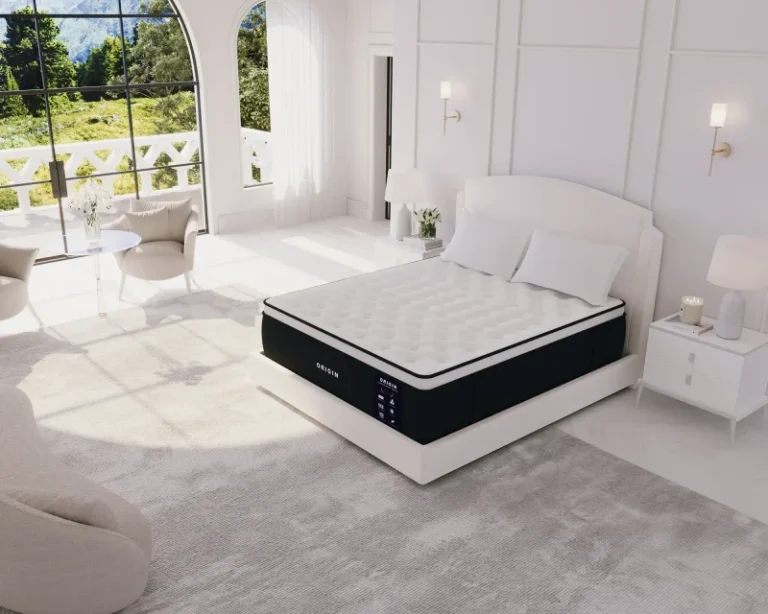
Ultimately, your bedroom organization should feel effortless. Systems should simplify your routine, not complicate it. Test solutions for a week and adjust anything that isn’t working. The best organization becomes invisible through seamless use. Personal touches stand out in an orderly environment. A framed concert ticket pops against uncluttered walls, and your grandmother’s quilt becomes a focal point when neatly folded. Organization elevates meaningful items from clutter to a curated collection.
Remember your goal: to create a restful retreat. Every choice should support that purpose, from tactile textures to hidden storage, from rotating artwork to nightly reset routines. When expression and order work together, even small bedrooms become soul-nourishing havens. That’s the essence of designing a bedroom that truly restores you.