


A flippable mattress is a sleep surface designed to be used on both its top and bottom sides. Often called a double-sided mattress or 2-sided mattress, it features comfort layers on each face, with a shared support core in the middle. Unlike standard one-sided beds, where a single comfort layer sits atop a base, this flippable design allows sleepers to rotate the mattress vertically, effectively doubling its usable lifespan.
Understanding the Double-Sided Mattress Concept
The core idea behind a double-sided mattress is simple: both surfaces are engineered for regular use. When you flip it, you access a fresh sleep layer. This is very different from non-flippable models, where flipping would expose an unfinished or uncomfortable base. The double-sided approach ensures even wear distribution, reducing sagging and body impressions over time.
Why Flippable Beds Stand Out in Today’s Market
While most modern mattresses use one-sided designs, flippable mattresses are gaining renewed attention. The main reason is durability. A well-made 2-sided mattress can last years longer than its single-sided counterpart because flipping redistributes pressure points. For budget-conscious shoppers, this means fewer replacements over time. Additionally, the ability to flip adds versatility; some models offer different firmness levels on each side, allowing you to adjust support as your needs change.
Key Differences Between 2-Sided Mattresses and Standard One-Sided Beds
Standard mattresses prioritize convenience over longevity. Their single-layer construction makes manufacturing simpler but limits lifespan. A double-sided mattress, however, requires more robust materials since both sides must withstand regular use. The flippable design also demands a symmetrical structure, no pillow tops or uneven quilting that would make flipping impractical. While flipping a standard bed can void warranties, it’s actively encouraged with flippable mattresses.
Brief Overview of Common Flippable Mattress Types
Flippable mattresses are available in several materials, including:
- Innerspring models: Traditionally flippable, with coil systems centered between two comfort layers
- Foam variants: High-density foam cores layered with softer top and bottom foams
- Latex designs: Natural or synthetic latex layers on both sides for consistent bounce
- Hybrid options: Combine coils with foam or latex for balanced support
Some double-sided mattresses have the same firmness on both sides, while others offer dual-firmness configurations, such as medium on one side and firm on the reverse. This adaptability makes them ideal for sleepers whose preferences may change over time.
How does flipping actually extend a mattress’s life? Think of it like rotating tires. Regular flips prevent uneven compression, especially in areas like the hips or shoulders. A 2-sided mattress essentially gives you two beds in one, reducing the rate of material breakdown. Many pre-2000s mattresses were built this way, proving the design’s time-tested reliability.
However, not all flippable beds are created equal. Quality matters. Cheaper models may lack edge support or use comfort layers that compress quickly. Look for reinforced perimeters and high-density foams if you want a firm, flippable model. For hybrids, ensure the coils are made from tempered steel to withstand repeated flipping.
One overlooked advantage is temperature regulation. Flipping a double-sided mattress periodically can prevent heat buildup in foam layers. If one side feels warmer during summer, simply flip it to access a cooler surface. This isn’t possible with single-sided beds, where heat retention issues remain constant.
Flipping does require effort. These mattresses tend to be heavier than standard ones due to their dual-layer construction. Before purchasing, consider whether you’re comfortable rotating a bulky 2-sided mattress every 3-6 months. Some manufacturers include handles to make the process easier.
Most flippable mattresses don’t need special care beyond regular rotation. However, using a waterproof protector on both sides is wise, since both surfaces are sleep-ready, and spills could affect either side. Avoid overly thick toppers, as they can make flipping cumbersome.
The resurgence of double-sided designs reflects shifting consumer priorities. As buyers increasingly value sustainability and long-term value, the flippable mattress offers a practical solution. While initial costs might be higher than budget one-sided models, the extended lifespan often justifies the investment.
In summary: A double-sided mattress is not a gimmick, it’s a strategic choice for sleepers prioritizing durability and adaptability. Whether you prefer the bounce of innersprings or the contouring of foam, there’s a flippable design to match. Just remember to check weight limits and flipping frequency recommendations to maximize your investment.
Why Choose a Double-Sided or Flippable Mattress? Key Benefits Explained
When shopping for a mattress, durability and adaptability are often top priorities. Enter the double-sided mattress, a design that challenges the throwaway culture of modern bedding. Let’s break down why this flippable design deserves your attention.
Advantages of the Flippable Bed Design
Longer Lifespan and Reduced Sagging
The main weakness of traditional mattresses is permanent body impressions. A 2-sided mattress combats this by allowing you to flip it every few months. Think of it like evenly toasting a sandwich, both sides get equal use. This rotation prevents concentrated wear in high-pressure zones (hips, shoulders), which means less sagging over time. Studies show sleepers replace single-sided beds every 6-8 years on average. With a double-sided mattress, many users extend that timeline to over 10 years.
However, not all materials handle flipping equally well. High-density foams and tempered coils perform best. Lower-quality layers compress faster, defeating the purpose. Always check if the flippable bed uses reinforced edges, which prevent premature collapse around the perimeter.
Customizable Comfort with Dual Firmness Options
Imagine owning two mattresses for the price of one. Some flippable mattresses offer distinct firmness levels on each side, like medium on top and firm underneath. It’s like having a backup sleep surface for life’s changes. Injure your back? Flip to the firmer side. Pregnancy altering your comfort needs? Switch to the plusher face. This adaptability is ideal for:
- Growing children in need of firmer support as they age
- Couples with different firmness preferences
- Anyone anticipating future health changes
Even if both sides have the same feel, flipping refreshes the comfort layer’s responsiveness. Memory foam regains its loft, latex reasserts its bounce. It’s like hitting the reset button on your sleep experience.
Better Value for Your Investment
Yes, flippable beds often cost more upfront. But let’s do the math. A $1,200 double-sided mattress lasting 12 years equals $100 per year. An $800 single-sided bed replaced every 7 years costs $114 per year. Over two decades, you’d save roughly $500, plus the hassle of shopping twice, disposing of the old mattress, etc. The value becomes clear: quality flippable mattresses provide more bed-years per dollar.
Seasonal sales and clearance events can make deals even better. Just remember that cheaper isn’t always smarter. A firm flippable mattress with subpar materials won’t outlast a mid-range single-sided model. Prioritize verified customer reviews that mention long-term satisfaction.
Improved Hygiene and Maintenance
Mattresses absorb sweat, dead skin, and allergens like sponges. Flipping a 2-sided mattress exposes these contaminants to air and light, slowing microbial growth. Rotating it 180° also prevents moisture pooling in one spot,a common problem with stationary beds. For allergy sufferers, this can mean fewer sniffles and sneezes.
Pro tip: Pair your double-sided mattress with a washable protector. Flip the protector when you flip the bed for complete defense against spills and stains. Avoid bulky mattress pads, as they can trap heat and make flipping difficult.
Beyond the Bedroom: Guest Room Gold
Guest beds rarely get rotated, but a flippable design solves this. Between visitors, flip the mattress to refresh the sleep surface. If it’s dual-firmness, you’re ready for any preference, grandma’s plush side or your nephew’s firm side. No more air mattresses cluttering closets.
Debunking the Flipping Myth
Some argue that flipping is outdated. They say, “Modern materials don’t need it!” While this may be true for some high-end single-sided models, most budget options still compress unevenly. The flippable mattress isn’t a relic; it’s a tailored solution for value-focused shoppers. Even better, many models now combine flip-friendly durability with contemporary comforts like cooling gel layers and motion isolation.
When a Flippable Bed Makes Sense (and When It Doesn’t)
These mattresses aren’t universal solutions. They excel if:
- You prioritize long-term ownership over initial cost
- Your weight fluctuates or your health needs change
- You share the bed with someone who needs different support
They’re less ideal if:
- You move frequently (they’re heavier)
- You prefer ultra-plush pillow tops (most aren’t flippable)
- Your mobility limits prevent regular flipping
Bottom line? The double-sided mattress bridges the gap between disposable trends and heirloom-quality furniture. It’s not just a bed, it’s a strategy for smarter sleep investment. Whether you’re outfitting a forever home or a vacation rental, the flippable design adapts to your life’s chapters without compromise.
How to Choose the Best Flippable Mattress for Your Needs
Navigating the world of flippable mattresses requires more than just flipping a coin. With smart planning, you can select a double-sided mattress that aligns with your sleep habits, budget, and long-term goals. Let’s peel back the layers.
Key Factors to Consider When Shopping for a Flippable Mattress
Single vs. Dual Firmness: What’s Right for You?
Start by asking: Do you prefer consistency or flexibility? A single-firmness 2-sided mattress offers identical comfort on both sides,ideal if your preferences stay steady. But if arthritis flares up or pregnancy shifts your needs, a dual-firmness flippable bed becomes a game-changer. Imagine switching from plush to firm as your body demands, without needing a new purchase. Guest rooms especially benefit from this versatility, accommodating diverse sleepers easily.
Material Choices: Foam, Latex, Hybrid, or Innerspring?
The core materials determine both feel and longevity. Here’s the breakdown:
- Foam: Lightweight and contouring, but check density ratings; 1.8 lbs/ft³ or higher ensures durability
- Latex: Naturally resilient and hypoallergenic, though heavier to flip
- Hybrid: Blends coils with foam or latex for balanced bounce and pressure relief
- Innerspring: Traditional and breathable, often more budget-friendly
Memory foam flippable mattresses excel in motion isolation, while latex is ideal for hot sleepers. Hybrids strike a middle ground, making them popular for couples. Innerspring models usually feel firmer, a plus for back sleepers.
Firmness Level and Sleep Position Compatibility
Your preferred sleeping position determines the ideal firmness:
- Side sleepers: Opt for medium-soft to cushion shoulders and hips
- Back/stomach sleepers: Choose medium-firm to maintain spinal alignment
- Combination sleepers: Prioritize balanced support with moderate give
A firm flippable mattress might feel too rigid for side sleepers at first, but with a topper, it becomes more adaptable. Softer models can sag under heavier weights; choose high-density foams if you weigh over 230 lbs.
Quality of Construction and Durability
Not all double-sided mattresses can handle repeated flipping. Inspect these elements:
- Edge support: Reinforced borders prevent roll-off and extend usable surface area
- Coil gauge: 12-15 gauge steel coils in hybrids and innersprings resist warping
- Foam ILD: Indentation Load Deflection above 12 ensures proper resilience
- Certifications: Look for CertiPUR-US foams or OEKO-TEX latex
Cheaper models often skimp on these specifications. A telltale sign is mattresses under 10 inches thick, which rarely withstand repeated flipping.
Weight and Ease of Flipping
A queen-size 2-sided mattress can weigh 80-150 lbs. Latex and hybrids are heavier, while all-foam designs are lighter. If you’re flipping solo, look for these features:
- Handles on both sides
- Low-profile designs (under 12 inches thick)
- Split foundations (two twin XLs) for easier maneuvering
If you can’t lift heavy items, schedule flips during bed sheet changes and recruit a helper. Some companies offer flipping services; ask before buying.
Budget and Value
Flippable Mattresses range from $600 to $2,500 or more. While pricier than entry-level single-sided beds, their extended lifespan justifies the cost. Calculate the cost per year: A $1,400 double-sided mattress lasting 14 years costs $100 annually, cheaper than replacing an $800 bed every 7 years.
Look for:
- 10+ year warranties covering sagging beyond 1 inch
- Free trial periods (90 nights or more)
- Discounts during holiday sales
Avoid ultra-cheap options, as they often use low-density foams that sag within two years. Mid-range hybrids ($1,000-$1,800) usually offer the best return on investment.
The Flipping Frequency Factor
Most manufacturers recommend rotating your flippable design every 3-6 months. Mark your calendar: Flip it when you switch to winter bedding, then again when storing summer clothes. Consistent rotations prevent permanent indentations and keep comfort layers responsive.
Testing Before Committing
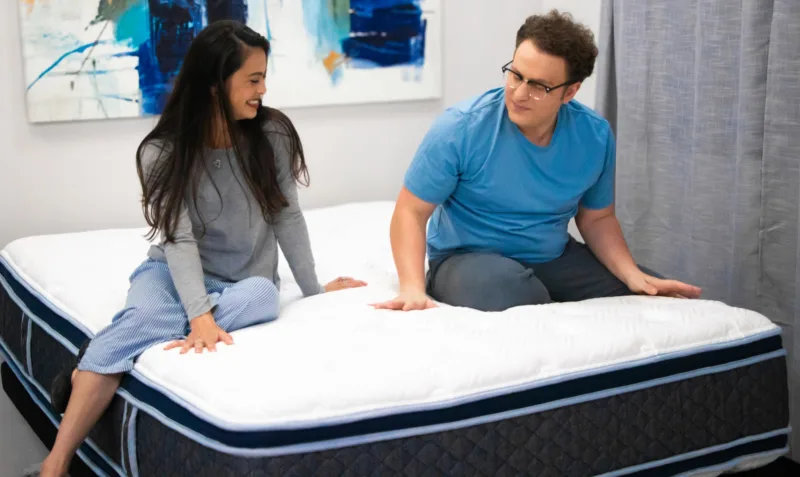
If you can’t try the mattress in-store, focus on return policies and sleep trials. At a minimum, 100 nights lets you assess comfort on both sides. During testing:
- Sleep on each surface for 2-3 weeks
- Check for edge support by sitting near the perimeter
- Note any off-gassing odors (should dissipate within 72 hours)
When to Walk Away
Despite their benefits, flippable mattresses aren’t for everyone. Red flags include:
- Vague warranty terms about flipping requirements
- Asymmetrical designs (like quilted tops)
- No motion isolation (important for couples)
If a salesperson discourages regular flipping, it’s likely a single-sided bed in disguise.
Final Pro Tips
- Pair your double-sided mattress with a breathable, waterproof protector
- Use a slatted base with gaps of 3 inches or less for proper support
- Avoid box springs, they lack the rigidity flippable designs need
By weighing these factors against your lifestyle, you’ll find a flippable mattress that outlasts trends and adapts to life’s changes. Remember: The best bed isn’t just comfortable today, it’s ready for whatever tomorrow brings.
Types of Flippable Mattresses and What to Expect From Each – Comparing the Main Flippable Mattress Types
Flippable Foam Mattresses
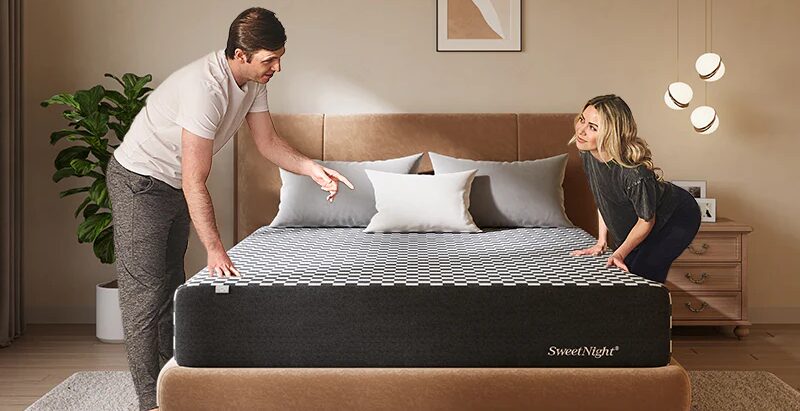
Flippable foam mattresses stack layers of memory foam, polyfoam, or both on either side of a dense support core. These double-sided mattresses excel at contouring to your body’s curves while minimizing motion transfer, ideal if you share the bed with a restless partner. Their lightweight construction (compared to other flippable mattresses) makes rotating them solo manageable. However, all-foam designs often retain more heat than hybrids or latex. Choose gel-infused or open-cell foams if you sleep hot.
- Pros: Deep pressure relief, silent operation, easier to flip than heavier alternatives
- Cons: Limited edge support, can trap heat in warmer climates
Best suited for: Side sleepers, couples, those prioritizing joint pain relief.
If you’re in the market for a flippable foam mattress and don’t want to break the bank, check out SweetNight’s Prime Memory Foam Mattress. Currently selling for just $479.99 for the 12” Queen, it embeds some impressive features for a mattress under $500:
- Breathable anti-slip OEKO-TEX cover
- Cooling gel-infused memory foam to avoid night sweats and overheating
- Contouring Curve™ design for targeted support and pressure relief
- 4-in-1 firmness design – rotate or flip to find your perfect fit
Learn More and Shop SweetNight Prime Flippable Foam Mattresses Here!
Double-Sided Latex Mattresses
A double-sided mattress made from natural or synthetic latex offers excellent bounce and temperature neutrality. These flippable beds resist sagging better than most materials; some last over 15 years with proper care. The drawback is their weight. A queen-size model can exceed 120 lbs, requiring teamwork to flip. Many models feature dual firmness levels (medium on one side, firm on the other), allowing you to customize support without purchasing a new bed.
- Pros: Naturally cooling, hypoallergenic, consistent responsiveness
- Cons: Heavy to maneuver, higher price point
Best suited for: Hot sleepers, allergy sufferers, those wanting a firm, flippable option.
I haven’t reviewed many flippable latex mattresses, but, in my research, Latex For Less stood out. I prefer taller mattresses, up to 16”, but given the rather limited options, the 9” 2-sided Natural Latex Mattress with one size Medium and one size Firm should make a great choice. It falls at around $1100 for a queen ($700 OFF for Labor Day) and is made in the U.S., from organic materials only: latex, wool, and cotton.
Learn More and Shop the Latex For Less 2-Sided Mattress Here!
Hybrid Flippable Beds
Hybrid flippable mattresses combine coiled support cores with foam or latex comfort layers on both sides. This flippable design delivers targeted pressure relief and airflow, helping prevent night sweats. Many models come in plush, medium, or firm flippable configurations, adapting to changing needs over time. Note that hybrids are heavier than all-foam versions, so check for reinforced handles before purchasing.
- Pros: Balanced bounce and contouring, improved edge support, temperature regulation
- Cons: Pricier than innerspring, heavier than foam-only models
Best suited for: Back and stomach sleepers, combination sleepers, those needing adjustable lumbar support.
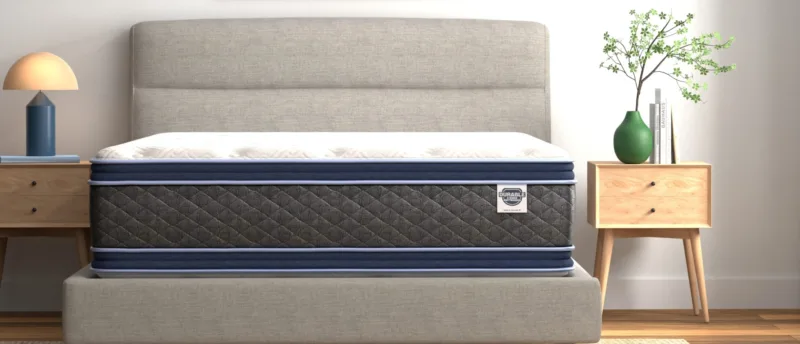
I’m actually in the process of reviewing a flippable hybrid mattress, and I have to say it’s amazing. With a 14” profile, and the same firmness on both sides, it’s well worth of its name, Durable Mattress. If you’re not sure what firmness you need or you think your preferences might change, having different firmness levels on each side may help. But when you know your body and your sleep needs, being able to enjoy optimum comfort on each side is priceless, and that’s where this mattress comes in.
Just like its warranty suggests, it’s a lifetime investment. Available in Soft, Medium, and Firm, it has a solid 7-layer construction that combines various types of foams in different densities with a zoned individually-wrapped coils system, and a sublime euro-top cover. With it, your comfort, support, pressure relief, and even motion isolation, are secured. It’s one of the most luxurious mattresses I’ve tested, priced at around
Learn more and shop for the Durable Mattress 2-Sided Hybrid Here!
Traditional Innerspring 2-Sided Mattresses
The original 2-sided mattress innerspring models feature steel coils flanked by thin comfort layers on both surfaces. These flippable beds prioritize airflow and affordability, usually costing less than foam or latex options. While they lack the plushness of modern hybrids, their straightforward construction ensures many years of use. Look for tempered coils and quilted covers to minimize noise and improve durability.
- Pros: Budget-friendly, exceptionally breathable, simple maintenance
- Cons: Minimal pressure relief, can develop squeaks over time
Best suited for: Guest rooms, hot climates, sleepers who prefer a firmer, more responsive feel.
Unfortunately, I can’t make a recommendation here, simply because, ever since I discovered hybrid designs, I would never go back to traditional innerspring mattresses. I prefer the improved comfort, targeted support, and superior motion isolation of pocketed coils and memory foam combinations over their older counterparts anytime.
Matching Mattress Types to Your Sleep Needs
Choosing between these flippable mattresses depends on your material preferences, budget, and physical needs. Foam models excel at pressure relief but are less effective at cooling. Latex hybrids offer premium comfort at a higher price. Innerspring double-sided mattresses keep costs low but offer less contouring and motion isolation. Your body weight and sleep position also matter. Heavier individuals (over 230 lbs) should choose high-density foams or hybrids with reinforced coils. Lighter sleepers (under 130 lbs) might find latex or softer foams more comfortable.
The Weight Factor: Flipping Made Feasible
All 2-sided mattresses require periodic rotation, but some are heavier than others. Latex and hybrids are the heaviest; consider a split foundation (two twin XLs) if flipping solo. Foam and innerspring models are lighter, though still bulky. Tip: Flip your flippable bed during seasonal cleaning when you’re already moving furniture. Mark one side with removable tape to track rotations.
When Dual Firmness Makes Sense
Some double-sided mattresses offer different feels on each side. A medium-plush top paired with a firm flippable base suits evolving needs: recovering from surgery, accommodating a partner’s preferences, or adjusting to age-related stiffness. Just make sure both firmness levels fit your sleep style. For example, stomach sleepers shouldn’t use a plush side, even temporarily.
Material Longevity: What Really Lasts
Not all flippable mattresses age equally. Latex resists indentation best, followed by high-density foams (over 1.8 lbs/ft³) and tempered coils. Budget inner springs may sag earlier, even with flipping. To test durability, press your hand firmly into the mattress. If the surface rebounds quickly without visible denting, it’s built to last. Still unsure? Choose models with 10-year warranties covering sagging beyond 1 inch.
The Verdict: Which Type Reigns Supreme?
There’s no universal winner when it comes to choosing a mattress, only what works for your body and budget. Hybrid flippable beds offer a balanced option for most sleepers, providing adaptable support without extreme costs. Memory foam offers superior cushioning and pressure relief in lighter formats. If sustainability is your priority, natural latex double-sided mattresses outperform synthetics. Remember: Regular flipping is essential. Treat your 2-sided mattress like a prized cast-iron skillet, maintain it well, and it will serve you faithfully for years.