

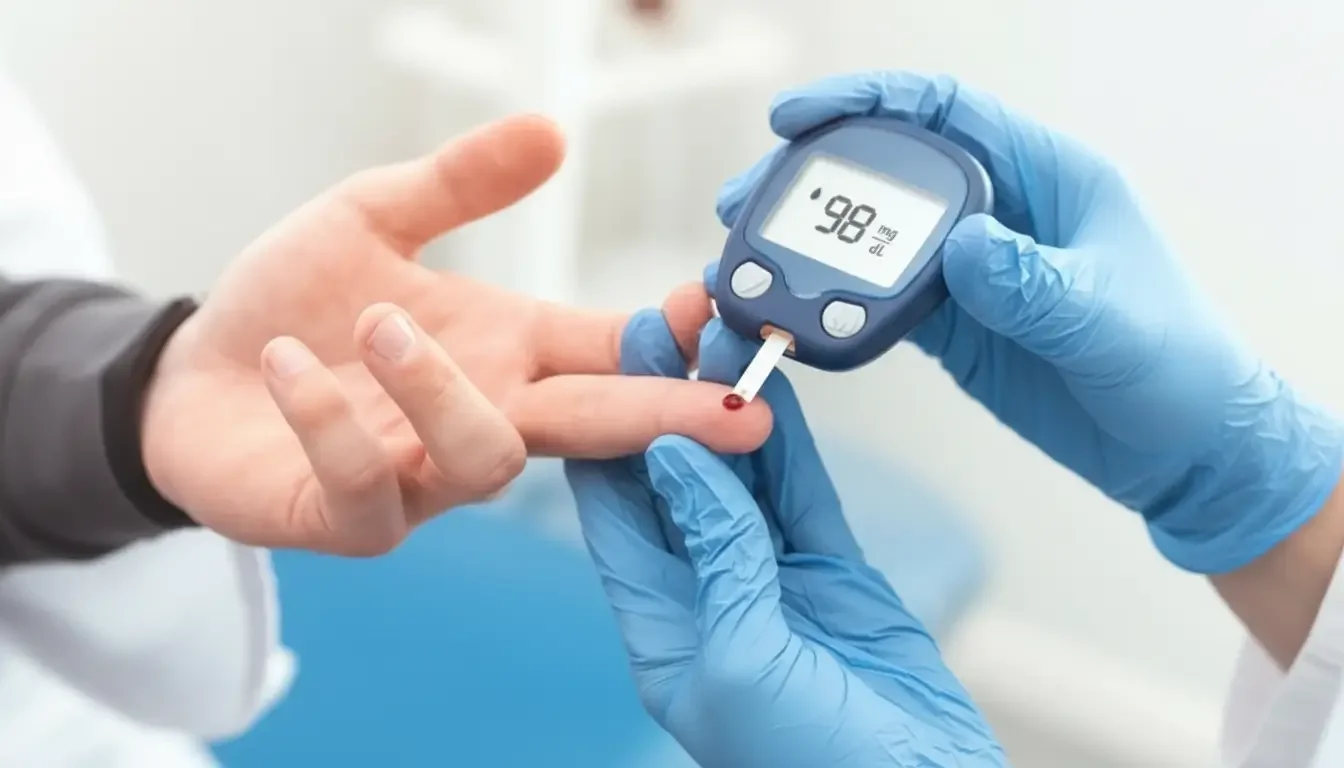
The American College of Lifestyle Medicine has launched a digital film series that highlights how evidence-based lifestyle changes can help people achieve remission from type 2 diabetes, sharing real patient stories and practical approaches.
Across the United States, millions of adults live with diabetes or prediabetes, creating a significant health and financial burden that costs more than $400 billion each year. The American College of Lifestyle Medicine (ACLM) is now addressing this challenge with a national digital film series called Project Remission. This initiative focuses on how practical lifestyle changes can help people reach remission from type 2 diabetes, instead of only managing the disease.
Why Most Diabetes Care Misses the Mark
Currently, almost half of adults in the U.S. are affected by diabetes or prediabetes. Many people find themselves needing more medications over time, facing higher costs, and not getting to the root of why diabetes develops. Traditional care often centers on controlling symptoms rather than addressing what causes the condition in the first place.
Lifestyle medicine takes a different approach. By focusing on six main areas,plant-based eating, regular physical activity, good sleep habits, stress reduction, strong social connections, and staying away from harmful substances,this method aims to tackle the underlying causes of chronic diseases like type 2 diabetes.
This isn’t just a theory. Health professionals are already using these principles in clinics and hospitals, guiding patients to make changes that truly impact their health and quality of life. The new film series shares these stories and methods with a wider audience, showing what can happen when care is centered on the whole person, not just the disease.
A Fresh Look at the Path to Remission
Project Remission features healthcare providers who use lifestyle changes as the main treatment for type 2 diabetes. These changes are backed by scientific research and have helped many people lower their blood sugar, reduce or even stop medications, and in many cases, achieve remission.
The core of this approach is built around a plant-focused diet, daily movement, consistent sleep routines, managing stress, building supportive relationships, and avoiding substances that can damage health. When these habits come together, they form a strong base for improving and sometimes reversing chronic health problems.
A key part of the series is its focus on real-life success stories. For example, Florida State University and the LEADR Program use different methods but both help patients reach remission through dedicated lifestyle plans. The series also includes a film that explains what remission means in medical terms, making it clear how it differs from just managing or reversing the disease.
Stories That Change the Way We See Diabetes
Project Remission shares several case studies from clinics and programs across the country. These stories highlight how personalized lifestyle changes can make a real difference, whether through group visits, specialty clinics, or coordinated care teams. Each example shows there isn’t just one way to reach remission,what matters most is a commitment to proven, lasting changes.
What Experts Are Saying About This Shift
Padmaja Patel, President of the ACLM, said, “Too often, chronic diseases like type 2 diabetes are managed as conditions that patients must live with indefinitely. At the American College of Lifestyle Medicine, we believe remission,for type 2 diabetes and many other chronic conditions,should be the North Star outcome guiding care. The strong alignment among our partners involved in this project reflects a shared vision of moving beyond symptom control toward health restoration, extended quality of life, and a more sustainable future for patients and health systems alike.”
Max Smith, founder and managing director of Content With Purpose, added, “Project Remission reflects the urgency and opportunity before us. We are honored to collaborate with ACLM to spotlight clinicians, health systems, and patients who are demonstrating that remission of type 2 diabetes is achievable through evidence-based lifestyle interventions and how these people’s lives are forever improved. These stories show what is possible when we address the root cause of chronic disease and empower both clinicians and patients with practical, science-backed tools.”
Endocrinologist Mahima Gulati shared her perspective: “As an endocrinologist, I see how exhausting it is for patients to manage chronic diseases like type 2 diabetes through escalating medications, side effects, and mounting financial costs. Project Remission offers something profoundly different,the possibility of addressing root causes and helping patients move toward remission through sustainable lifestyle change. That message is deeply empowering for patients who want to reclaim agency over their health.”
The series brings together a range of organizations, from health systems like AdventHealth to universities and food companies, each contributing their own strategies to support patients. This collaboration shows that lifestyle medicine can be adapted to many different healthcare settings.
Where This Movement Is Headed Next
The Project Remission film series was introduced during a live expert webinar and is now available for streaming. It features insights from leading specialists such as Dr. Eduardo Sanchez of the American Heart Association and Dr. Wayne Dysinger from Blue Zones Health.
Healthcare organizations involved in the project are seeing benefits that go beyond diabetes remission, such as lower medication costs, higher patient satisfaction, and fewer long-term complications. This approach is gaining traction as a model for high-value healthcare that focuses on prevention and long-term results.
With support from more than a dozen partners, including universities, health systems, and technology companies, Project Remission is helping close the gap in lifestyle medicine education. The ACLM aims to expand this training to more healthcare professionals and medical students in the future.
As Project Remission becomes more widely available, people living with type 2 diabetes, healthcare providers, and policymakers are encouraged to explore the series. The stories and evidence shared offer a new perspective on what can happen when lifestyle change is at the heart of care. This effort seeks to inspire a move toward better health and quality of life for many.
Source: News Medical